Categories
News

Wet Wipes Raw Material Processing and Automated Production Line Equipment System

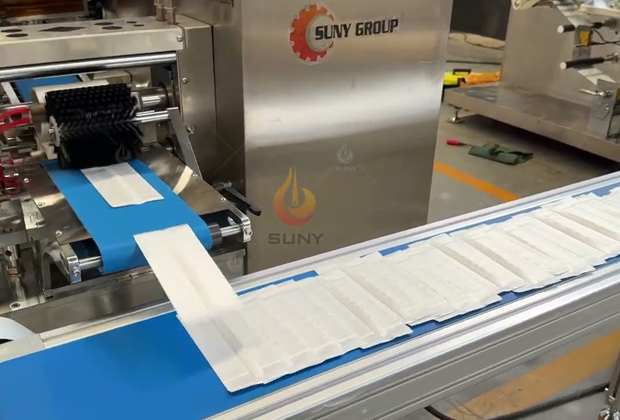
The stability of raw materials and production efficiency in wet wipe manufacturing depend primarily on the coordinated control of the non-woven fabric processing system, liquid blending equipment and the automated wet wipe forming and packaging production line.

The core of wet wipe production is not merely ‘fabric and water’, but rather a complete industrial system centred on raw material processing, liquid blending, cutting and forming, and sealing and packaging. The quality of raw materials and the precision of the equipment directly determine the product’s uniformity, liquid content and user experience; therefore, the stability of production equipment is the key foundation of wet wipe manufacturing.

Wet Wipes Raw Material Processing and Automated Production Line Equipment System

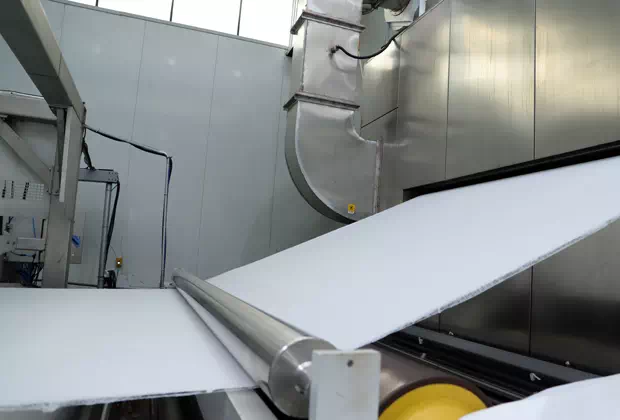
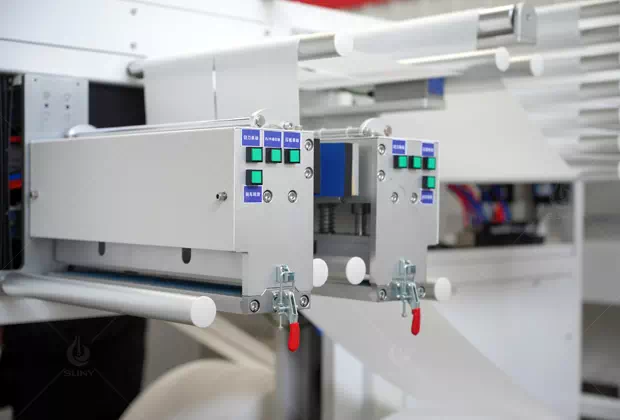
The base material for wet wipes typically consists of spunlace or thermally bonded non-woven fabric, with a basis weight generally ranging from 30 to 70 gsm. The upstream production stage involves the use of a non-woven slitting machine and an automatic feeding system to prepare and slit wide rolls of raw material, ensuring they are suitable for wet wipes of various specifications (such as 10-sheet and 80-sheet packs). Some high-end production lines are also equipped with tension control systems, which limit deviations to within ±2 per cent, thereby preventing errors in subsequent folding and cutting processes. The greater the stability of the raw material, the lower the wastage rate in the later stages; this generally reduces scrap material by 3–5 per cent.

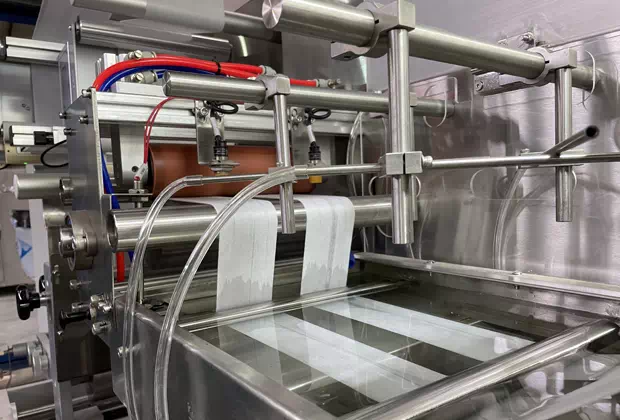
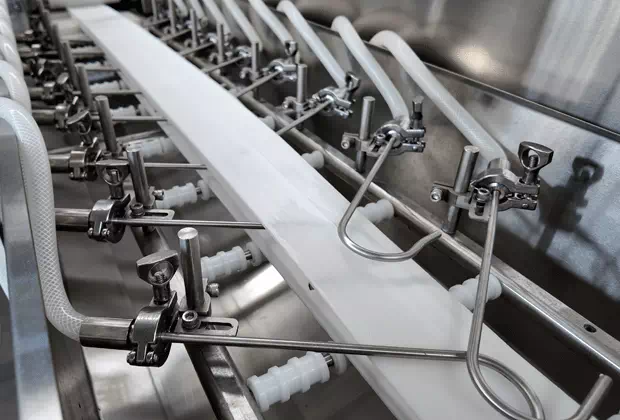
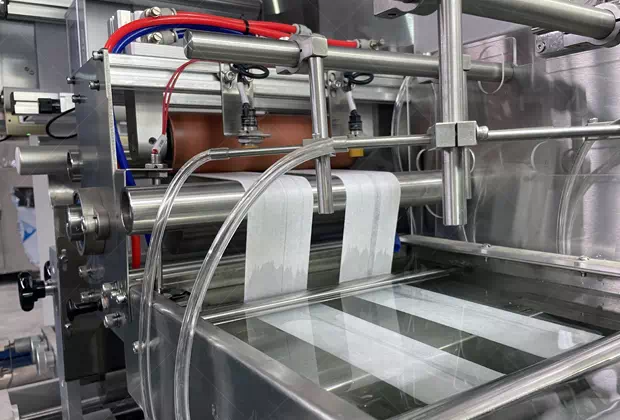
The liquid used in wet wipes is not simply water, but a mixture of purified water, surfactants, moisturisers and preservatives blended in specific proportions. Automated liquid preparation systems typically utilise 316 stainless steel mixing tanks and precision metering pumps, with mixing ratio errors controlled to within ±1%. The liquid is then evenly sprayed or impregnated onto the non-woven fabric via a wetting device. The key control point is the liquid content ratio; for baby wipes, this is generally maintained between 180% and 250%. If too low, it affects the user experience; if too high, it creates a risk of packaging leakage.

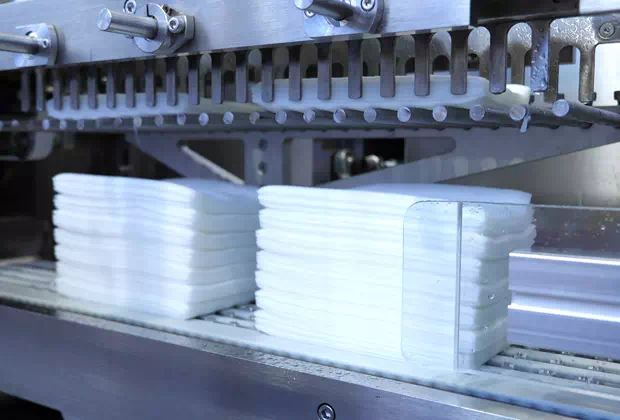
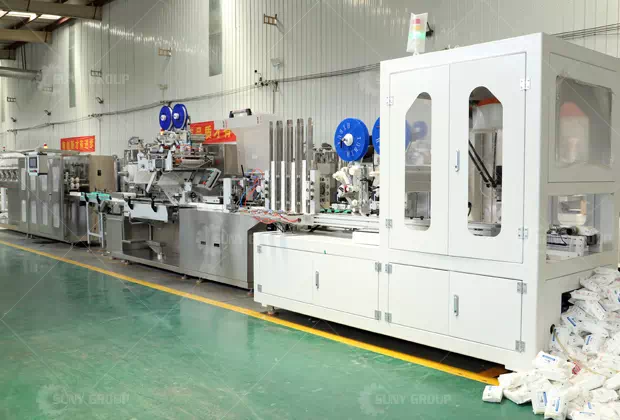
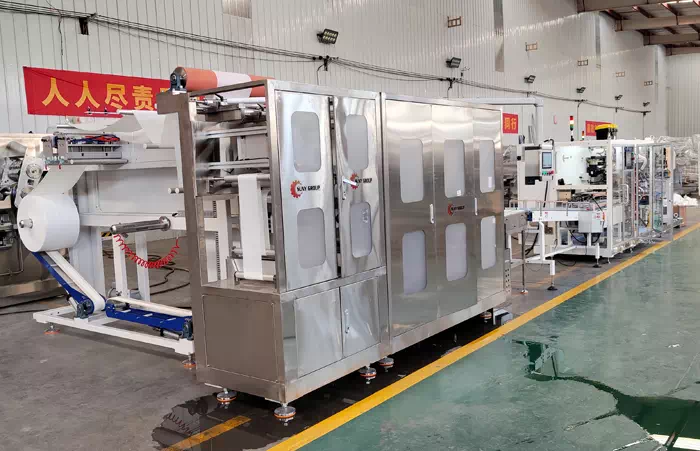
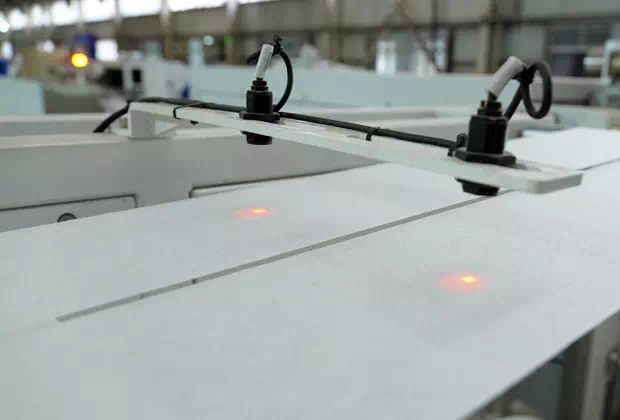
The core of finished wipe production lies in fully automated folding and high-speed packaging systems. Equipment typically employs a 12–16-channel parallel operation configuration, capable of producing 300–800 packs per minute (depending on specifications). The folding module utilises servo control to ensure dimensional tolerances of less than 1 mm per wipe. The process then proceeds to the sealing and labelling stages, employing heat-sealing or ultrasonic sealing technology to guarantee seal strength and moisture retention. Some high-end production lines also incorporate in-line inspection systems to automatically reject packs with missing wipes or misaligned wipes.

The processing of raw materials for wet wipes is essentially an integrated system combining ‘materials engineering, fluid control and automated packaging’; fluctuations in any single stage can affect the final quality. Future industry trends are moving towards high-precision liquid dispensing systems, low-energy non-woven fabric processing and fully automated intelligent inspection.

Categories
News

From Raw Materials to Machinery: How a Single Wet Wipe Is Manufactured

Many people use wet wipes every day, yet few truly understand that behind a seemingly simple wipe lies a complex process involving multiple stages—including raw material selection, liquid formulation, automated machinery, and packaging techniques. Particularly as demand for infant care, food service cleaning, personal hygiene, and industrial wiping applications continues to grow, wet wipe production has evolved from traditional manual processing into a highly automated manufacturing industry.

From Raw Materials to Machinery: How a Single Wet Wipe Is Manufactured

The core raw material for wet wipes is non-woven fabric. Currently, common varieties found on the market include spunlace non-wovens, hot-air non-wovens, and wood pulp composite fabrics. Among these, spunlace non-wovens are widely used in baby wipes and facial cleansing wipes due to their superior softness and excellent liquid absorption capabilities. Industrial-grade wipes, conversely, prioritize abrasion resistance and tensile strength, and therefore utilize materials with a higher basis weight (grammage). Beyond the fabric itself, the liquid formulation used in the wipes is equally critical. Standard cleaning wipes typically consist primarily of purified water, supplemented with humectants, preservatives, and small amounts of functional additives; disinfectant wipes, however, require the addition of alcohol or antimicrobial agents, placing much higher demands on formulation precision and stability.

What truly determines production efficiency, however, is the wet wipe manufacturing equipment itself. Modern wet wipe machines are no longer limited to simple folding and packaging tasks; rather, they constitute a comprehensive automated system. This machinery must execute a sequence of processes, including non-woven fabric unwinding, automatic folding, precise liquid dosing, cutting, sealing, coding, and finished product output. High-speed equipment can produce hundreds of packs of wet wipes per minute, placing extremely high demands on mechanical precision and operational stability. If the equipment fails to dispense liquid uniformly, it can easily result in wipes that are either too dry or prone to leakage; similarly, unstable sealing temperatures can compromise the integrity of the packaging seal, thereby shortening the product’s shelf life.

Currently, an increasing number of manufacturers are adopting fully automated wet wipe production lines—a strategic move designed to simultaneously reduce labor costs and enhance product consistency. This trend is particularly pronounced in export markets, where clients impose stringent requirements regarding packaging dimensions, liquid content tolerances, and hygiene standards; consequently, automated machinery has become an indispensable asset for wet wipe factories seeking to bolster their competitive edge.

From the initial roll of non-woven fabric to the final packaged product, a single wet wipe is, in reality, the culmination of a sophisticated and mature manufacturing ecosystem. While raw materials establish the fundamental quality of the product, the machinery dictates the efficiency and stability of its production—two elements that are absolutely indispensable to the process. As consumers’ demands regarding safety, environmental friendliness, and user experience continue to rise, the future of wet wipes manufacturing will evolve in a direction that is more eco-friendly, intelligent, and refined.

Categories
News

How Raw Materials and Equipment Interact in Wet Wipe Production

Many people assume that wet wipe manufacturing is a simple process; however, what truly determines product quality is the degree of compatibility between the raw materials and the equipment used. This is particularly critical in high-speed production environments, where even slight variations in raw material properties can directly compromise equipment operational stability and the quality of the finished product.

The core raw material for wet wipes is non-woven fabric. Currently, hydro-entangled non-woven fabric is widely used in the market due to its softness and excellent liquid absorption properties, making it ideal for products such as baby wipes and personal care wipes. However, varying basis weights (grammage) and fiber structures impose different requirements on the equipment’s tension control system. If the basis weight is too low, the fabric is prone to tearing; conversely, if the resin content is too high, issues such as folding adhesion (sticking) may occur. If the equipment’s tension control system lacks stability—regardless of how high the machine’s operating speed may be—it becomes susceptible to defects such as misalignment, chain-pulling (multiple wipes dispensing at once), and poor sealing.

How Raw Materials and Equipment Interact in Wet Wipe Production

Beyond the non-woven fabric, the formulation of the wet wipe solution is equally critical. Standard cleaning wipes typically utilize a purified water-based system, whereas disinfecting wipes and personal care wipes often incorporate alcohol, antimicrobial agents, or moisturizing ingredients. The varying viscosities and volatilities of these liquids can impact the precision of the liquid filling system. Some lower-end equipment models are prone to issues such as uneven liquid distribution, leakage, or localized drying of the wipes.

Advanced wet wipe manufacturing equipment currently available on the market typically features automated web guiding (correction), precision liquid dosing, servo control systems, and inline seal integrity detection. The primary objective of these features is not merely to increase production speed, but rather to ensure stable, continuous production over extended periods. Particularly in the European and North American markets—where requirements for packaging seal integrity and hygiene standards are becoming increasingly stringent—equipment stability has emerged as a pivotal factor influencing the securing of production orders.

While the wet wipe industry may appear to have a low barrier to entry, the true competitive landscape has shifted from simply “being able to produce” to “producing with stability.” The synergistic interplay between raw material quality and equipment performance is, ultimately, the decisive factor determining both product quality and a manufacturing facility’s profitability.

Categories
Uncategorized

An Analysis of the Most Critical Raw Materials in Wet Wipe Production

Currently, the majority of wet wipes on the market utilize spunlace nonwoven fabric as their base material. The primary raw materials typically consist of viscose fibers, polyester fibers (PET), or a blend of the two. Viscose fibers possess strong water absorbency and a soft tactile feel, though their wet strength tends to be relatively low; polyester fibers, conversely, offer excellent tensile strength and stable costs but exhibit weaker biodegradability. Consequently, many manufacturers adopt a blending ratio ranging from 30% to 70% to strike a balance among softness, cost-effectiveness, and durability.

From a manufacturing perspective, basis weight (grammage) is another critical metric. Standard baby wipes typically range between 40 gsm and 60 gsm, whereas industrial cleaning wipes often exceed 70 gsm. A basis weight that is too low can easily lead to deformation or tearing during use, while a weight that is too high results in increased liquid consumption as well as higher packaging and shipping costs.

The Liquid Formulation Is More Important Than the “Scent”

An Analysis of the Most Critical Raw Materials in Wet Wipe Production

Consumers often focus on whether or not a product is “scented,” but it is the liquid system—the solution itself—that truly determines the quality of a wet wipe. In most wet wipes, pure water accounts for over 95% of the composition. High-quality products typically utilize EDI-purified water or RO (reverse osmosis) water to minimize the risk of microbial contamination and residual ions.

Furthermore, humectants and preservative systems directly impact product stability. Common moisturizing ingredients include glycerin, aloe vera extract, and propylene glycol, while preservative systems frequently employ a blend of phenoxyethanol and organic acids. In recent years, as consumers have become increasingly sensitive to potential irritants, many brands have begun reducing alcohol content or even shifting toward “alcohol-free” and “MIT-free” preservative solutions.

However, one easily overlooked issue is that “fewer ingredients” does not necessarily equate to “better.” If the preservative system is inadequate, the wipes may actually become more susceptible to bacterial growth once the package is opened; this is a primary reason why some lower-priced products tend to develop unpleasant odors or discoloration over time.

In recent years, a distinct trend within the wet wipe industry has been the move toward “biodegradability.” Certain markets within the European Union have already begun restricting the use of wet wipes containing plastic fibers, a development that has directly driven increased demand for materials such as bamboo fibers, wood pulp fibers, and pure viscose spunlace fabrics.

Nevertheless, being “biodegradable” does not automatically guarantee absolute environmental friendliness. Wet wipes made from natural fibers typically incur higher production costs and exhibit significantly reduced wet strength, thereby imposing stricter requirements on manufacturing equipment—specifically regarding tension control and the precise ratio of liquid application. Many small and medium-sized factories, upon switching raw materials, paradoxically encounter issues such as fabric breakage, linting, and unstable sealing.

Consequently, wet wipe manufacturing is not, in essence, merely a simple matter of “adding water to fabric”; rather, it represents a delicate balance between raw materials, formulations, and production processes. Truly stable products are invariably the result of long-term, meticulous control over the intricate details of these foundational materials.

Categories
News

Raw Materials: The Key Factor Determining Wet Wipe Quality

The quality of wet wipes depends largely on the selection of raw materials. What appears to be a simple wet wipe actually involves multiple critical components, including non-woven fabrics, liquid formulations, and packaging materials.

The core material of a wet wipe is the non-woven fabric. Common types include spunlace non-woven fabric, hot-air non-woven fabric, and wood pulp composite fabric; among these, spunlace non-woven fabric is the most widely used. It is characterized by its softness, excellent absorbency, and skin-friendly texture, making it ideal for products such as baby wipes and personal care wipes. Non-woven fabrics of different gram weights offer distinct tactile sensations and suit different applications; generally, a higher gram weight indicates greater thickness and durability.

Raw Materials: The Key Factor Determining Wet Wipe Quality

Beyond the fabric itself, the liquid formulation is equally critical. Standard cleaning wipes are primarily based on purified water, supplemented with appropriate amounts of humectants, preservatives, and cleaning agents. Baby wipes, conversely, prioritize gentleness; many products utilize EDI-purified water, plant extracts, or alcohol-free formulations to minimize skin irritation. Additionally, certain functional wipes incorporate antimicrobial agents, skincare essences, or disinfectants to cater to specific usage requirements.

Packaging materials also directly impact the preservation of wet wipes. Common packaging formats include PET-laminated pouches, aluminum foil bags, and designs featuring plastic lids. The superior the sealing performance, the more effectively it prevents moisture evaporation from the wipes, thereby extending the product’s shelf life. Particularly during high-temperature transit and long-term storage, the quality of the packaging often determines whether the wipes will dry out prematurely.

As consumer demand for eco-friendly products continues to rise, biodegradable non-woven fabrics, plant-based fibers, and plastic-free packaging are gradually emerging as new directions for the wet wipe industry. Today, the manufacturing of wet wipes has evolved beyond simple processing; it now represents a comprehensive test of materials, safety standards, and the overall user experience.

Categories
News

Analysis of Raw Materials and Production Processes for Wet Wipe Machines

In the modern personal care and cleaning products industry, wet wipe machines (wet wipe production lines) play a crucial role. To manufacture high-quality, safe and durable wet wipes, wet wipe machines impose extremely stringent requirements on the selection of raw materials during the production process. Understanding these core raw materials not only helps to improve product quality but is also key to optimising production processes.

The most essential raw material for manufacturing wet wipes is Spunlace Nonwoven Fabric.

Unique Process: This involves spraying high-pressure, fine water jets onto one or more layers of fibre web, causing the fibres to intertwine and thereby reinforcing the fabric.

Analysis of Raw Materials and Production Processes for Wet Wipe Machines

Key Advantages: This process endows the non-woven fabric with exceptional softness, high absorbency, good breathability and tensile strength. It is not only skin-friendly and resistant to pilling, but also effectively locks in moisture, making it the absolute first choice for baby wipes, make-up removal wipes and everyday disinfectant wipes.

Another indispensable raw material is the packaging film used for outer packaging.

Material Composition: Multi-layer composite films (such as PET/PE or OPP/PE) are typically used.

Key Function: During the final packaging stage of the wet wipe production line, these films are utilised for heat sealing. High-quality films offer excellent barrier properties, effectively sealing out air and bacteria whilst locking in the moisture and active ingredients within the wipes, preventing them from drying out and significantly extending the product’s shelf life.

In addition, the production of wet wipes relies on the wet wipe solution (containing deionised water, preservatives and skin care additives), as well as the plastic caps and peel-off labels on the packaging. It is precisely through the precise unwinding, folding, liquid application, slitting, packaging and sealing of these raw materials by the wet wipe machine that they are ultimately transformed into the convenient wet wipe products we use in our daily lives. It can be said that high-quality raw materials and advanced wet wipe machinery complement one another, together forming the cornerstone of modern hygiene.

Categories
News

Wet Wipes Raw Materials And Product Quality

While wet wipes may appear to be ordinary products, their quality depends largely on the raw materials used in their manufacture. The core ingredients in wet wipe production primarily consist of non-woven fabrics, purified water, functional solutions, and packaging materials; the specific materials chosen directly influence the wipes’ softness, moisture content, cleaning efficacy, and shelf life.

Spunlace Non-woven Fabric Determines Tactile Feel

Wet Wipes Raw Materials And Product Quality

Currently, most wet wipes are manufactured using spunlace non-woven fabrics, with common constituent materials including polyester and viscose fibers. A higher viscose content results in a softer wipe with superior absorbency, whereas a higher proportion of polyester yields a material with greater tensile strength—making it particularly suitable for industrial-grade cleaning wipes.

Furthermore, the basis weight (grammage) of the non-woven fabric impacts both the wipe’s thickness and its production cost. Generally, a higher basis weight corresponds to a thicker, more substantial wipe.

Purified Water and Functional Solutions Influence Performance

The liquid component of wet wipes is typically processed using a Reverse Osmosis (RO) water purification system to minimize impurities and eliminate bacteria. Depending on the intended application, various functional additives—such as humectants (moisturizers), alcohol, and cleaning agents—are also incorporated into the solution.

Formula stability is of paramount importance; if the ratio of liquid components is not precisely controlled, issues such as unpleasant odors, discoloration (yellowing), or skin irritation may arise.

Packaging Materials Impact Shelf Life

Wet wipe packaging serves a function beyond mere aesthetics; it is critical to ensuring effective sealing. The use of composite films and plastic lids helps to minimize moisture evaporation, thereby extending the product’s shelf life.

Categories
News

Spunlace Nonwoven Fabric for Wet Wipes Production

Spunlace non-woven fabric is one of the most critical raw materials in wet wipe production; it directly determines the finished product’s tactile feel, absorbency, and overall user experience.

I. What is Spunlace Non-woven Fabric?

Spunlace non-woven fabric is a type of non-woven material formed by repeatedly impacting a fiber web with high-pressure, fine water jets, causing the fibers to entangle with one another. Compared to traditional woven fabrics, it does not rely on spinning and weaving processes, resulting in a shorter production cycle while yielding a structure that is notably softer and finer. Precisely because of these process characteristics, spunlace fabric retains the natural attributes of the fibers while simultaneously possessing excellent strength and uniformity.

Spunlace Nonwoven Fabric for Wet Wipes Production

II. Why Are Spunlace Fabrics Essential for Wet Wipes?

The material requirements for wet wipes are very specific: they must be both soft and skin-friendly, while also possessing sufficient tensile strength and liquid absorption capacity. Spunlace non-woven fabric strikes an ideal balance across these three criteria. First, its fine surface texture minimizes skin irritation, making it suitable for high-standard products such as baby wipes and makeup remover wipes. Second, its entangled fiber structure allows it to retain its strength even when wet, preventing it from tearing easily. Finally, its excellent absorbency enables it to uniformly lock in liquid, thereby avoiding issues related to uneven moisture distribution. These inherent characteristics have established it as the virtually standard material within the wet wipe industry.

III. Impact on Equipment and Production

The quality of spunlace non-woven fabric directly influences the operational stability of wet wipe manufacturing machinery. If the fabric’s basis weight is inconsistent or its tension is unstable, it can easily lead to misalignment or material jams during the folding, cutting, and packaging stages. Consequently, high-quality spunlace fabric serves not only as a guarantee of product quality but also as a means of “reducing stress” on the equipment. For manufacturing enterprises, prioritizing a stable supply of raw materials is far more critical than blindly chasing the lowest price, as it ultimately determines the overall efficiency of the production line and the yield rate of finished products.

Fundamentally, competition within the wet wipe industry is not merely a contest of machinery; it is, more importantly, a competition regarding the optimal synergy between materials and manufacturing processes—and spunlace non-woven fabric constitutes a pivotal link within this entire ecosystem.

Categories
News

Wet Wipe Lids: An Overlooked Yet Experience-Defining Component

Within the entire wet wipe production ecosystem, the lid is often treated as an inconspicuous accessory; however, it is precisely this minute detail that truly influences a user’s repurchase rate. Beyond merely serving the functions of sealing and protection, the lid directly determines the overall user experience and the perceived quality tier of the product.

Wet wipe lids are typically injection-molded using PP or PE materials, endowing them with a certain degree of flexibility and durability. A high-quality lid retains excellent resilience even after repeated opening and closing, ensuring a tight, secure seal every time to prevent moisture evaporation. This aspect is particularly critical for wet wipe products; should the sealing performance prove inadequate, the wipes can easily dry out and harden—directly compromising their effectiveness and potentially leading to customer attrition.

Wet Wipe Lids: An Overlooked Yet Experience-Defining Component

Structurally, wet wipe lids fall into two categories: single-layer and double-layer designs. Single-layer lids are lower in cost and suitable for entry-to-mid-range products; conversely, the double-layer structure—featuring an inner lid—significantly enhances sealing efficacy and extends the wipes’ moisture retention period, making it better suited for premium or export-oriented products. On automated production lines, lids are typically bonded securely to the packaging film via labeling or heat-sealing processes; consequently, their dimensional precision and structural stability directly impact the operational efficiency of the manufacturing equipment.

Another easily overlooked factor is the tactile sensation of opening the lid. A high-quality lid offers just the right amount of resistance when opened—neither too loose (which would compromise the seal) nor too tight (which would hinder ease of use). This subtle difference in user experience is amplified exponentially during a consumer’s daily usage, ultimately manifesting in the brand’s reputation and public perception.

From a manufacturing perspective, selecting the right wet wipe lid supplier necessitates a keen focus on material eco-friendliness, mold precision, and batch-to-batch consistency. The export market, in particular, imposes stringent requirements regarding material safety and odor control; the use of substandard raw materials can introduce unpleasant odors or even pose safety hazards.

Ultimately, a wet wipe lid is far more than a simple “cover”; it serves as the critical nexus connecting product quality with user experience. Truly sophisticated wet wipe manufacturers are often willing to invest more heavily in such details, for they understand clearly that a product’s long-term success is never determined by sheer scale or comprehensiveness alone, but rather by these seemingly minor—yet utterly indispensable—components.

Categories
News

Spunlace Non-woven Fabric: The Core Material Behind Wet Wipe Quality

In the production of wet wipes, what truly determines the user experience is not the liquid formulation, but the substrate material itself. Among these substrates, spunlace non-woven fabric plays the most critical role, directly influencing the wipes’ softness, absorbency, and safety during use.

Spunlace non-woven fabric is a material created by entangling fibers together using high-pressure water jets, without relying on chemical binders. This process renders the fabric surface fluffier and softer while maintaining excellent strength and durability. Compared to standard non-woven fabrics, its tactile feel is much closer to that of cotton textiles; consequently, it is widely utilized in products where comfort is paramount—such as baby wipes and personal care wipes. More importantly, because the manufacturing process involves fewer chemical additives, the material itself is inherently safer and poses a lower risk of skin irritation.

Spunlace Non-woven Fabric: The Core Material Behind Wet Wipe Quality

From a manufacturing perspective, spunlace non-woven fabric places higher demands on wet wipe production machinery. Its soft structure makes it more susceptible to deformation during folding, cutting, and conveying processes; if the equipment’s tension control is unstable, issues such as stretching, wrinkling, or even fabric breakage can easily occur. Therefore, high-quality wet wipe machines are typically equipped with precision tension control systems and stable feeding mechanisms to ensure the fabric maintains its structural integrity even during high-speed operation. Furthermore, spunlace fabrics of different basis weights (e.g., 40gsm vs. 60gsm) exhibit distinct differences in liquid absorption capacity and finished product thickness, requiring manufacturers to carefully match the fabric specifications to the specific positioning and requirements of the final product.

In practical application, spunlace non-woven fabric determines not only the tactile feel of the wet wipe but also its liquid-holding capacity and release performance. High-quality fabric effectively locks in moisture, releasing it gradually during use to prevent issues such as drying out instantly upon contact or dripping excessively. It is precisely these subtle details that often prove to be the decisive factor in whether an end-user chooses to make a repeat purchase.

In terms of industry trends, as environmental protection standards become increasingly stringent, biodegradable spunlace non-woven fabrics are gradually emerging as the future direction of the sector. Some manufacturers have begun incorporating natural fibers or renewable materials into their production processes, thereby reducing their environmental footprint while simultaneously maintaining high performance standards.

Ultimately, competition within the wet wipe market is not merely a contest of liquid formulations; rather, it is the result of the synergistic interplay between materials and machinery—and within this complex system, spunlace non-woven fabric stands as a fundamental element that simply cannot be overlooked.