

Analysis of Raw Materials and Production Processes for Wet Wipe Machines
In the modern personal care and cleaning products industry, wet wipe machines (wet wipe production lines) play a crucial role. To manufacture high-quality, safe and durable wet wipes, wet wipe machines impose extremely stringent requirements on the selection of raw materials during the production process. Understanding these core raw materials not only helps to improve product quality but is also key to optimising production processes.
The most essential raw material for manufacturing wet wipes is Spunlace Nonwoven Fabric.
Unique Process: This involves spraying high-pressure, fine water jets onto one or more layers of fibre web, causing the fibres to intertwine and thereby reinforcing the fabric.
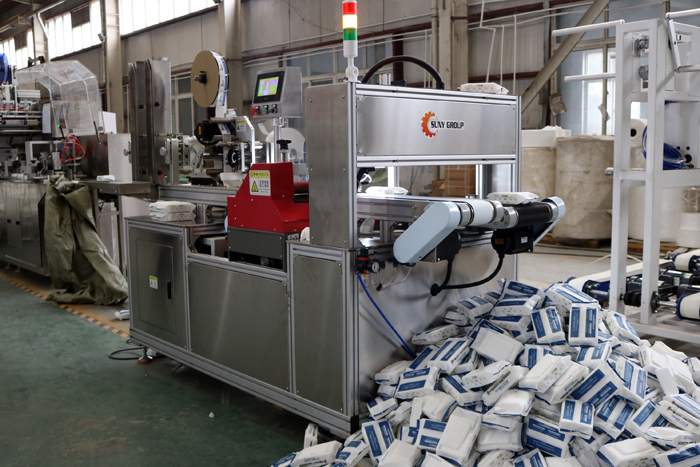
Key Advantages: This process endows the non-woven fabric with exceptional softness, high absorbency, good breathability and tensile strength. It is not only skin-friendly and resistant to pilling, but also effectively locks in moisture, making it the absolute first choice for baby wipes, make-up removal wipes and everyday disinfectant wipes.
Another indispensable raw material is the packaging film used for outer packaging.
Material Composition: Multi-layer composite films (such as PET/PE or OPP/PE) are typically used.
Key Function: During the final packaging stage of the wet wipe production line, these films are utilised for heat sealing. High-quality films offer excellent barrier properties, effectively sealing out air and bacteria whilst locking in the moisture and active ingredients within the wipes, preventing them from drying out and significantly extending the product’s shelf life.
In addition, the production of wet wipes relies on the wet wipe solution (containing deionised water, preservatives and skin care additives), as well as the plastic caps and peel-off labels on the packaging. It is precisely through the precise unwinding, folding, liquid application, slitting, packaging and sealing of these raw materials by the wet wipe machine that they are ultimately transformed into the convenient wet wipe products we use in our daily lives. It can be said that high-quality raw materials and advanced wet wipe machinery complement one another, together forming the cornerstone of modern hygiene.