

Wet Wipe Lids: An Overlooked Yet Experience-Defining Component
Within the entire wet wipe production ecosystem, the lid is often treated as an inconspicuous accessory; however, it is precisely this minute detail that truly influences a user’s repurchase rate. Beyond merely serving the functions of sealing and protection, the lid directly determines the overall user experience and the perceived quality tier of the product.
Wet wipe lids are typically injection-molded using PP or PE materials, endowing them with a certain degree of flexibility and durability. A high-quality lid retains excellent resilience even after repeated opening and closing, ensuring a tight, secure seal every time to prevent moisture evaporation. This aspect is particularly critical for wet wipe products; should the sealing performance prove inadequate, the wipes can easily dry out and harden—directly compromising their effectiveness and potentially leading to customer attrition.
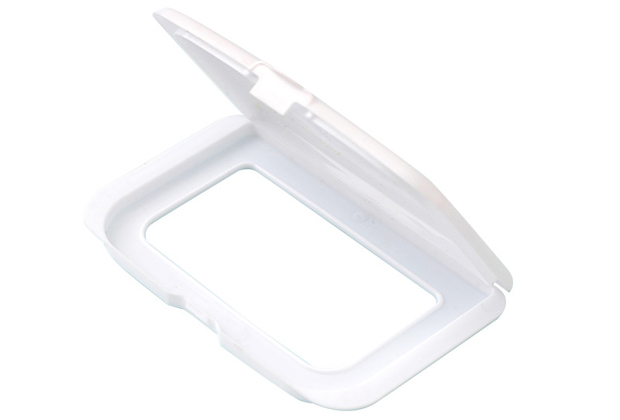
Structurally, wet wipe lids fall into two categories: single-layer and double-layer designs. Single-layer lids are lower in cost and suitable for entry-to-mid-range products; conversely, the double-layer structure—featuring an inner lid—significantly enhances sealing efficacy and extends the wipes’ moisture retention period, making it better suited for premium or export-oriented products. On automated production lines, lids are typically bonded securely to the packaging film via labeling or heat-sealing processes; consequently, their dimensional precision and structural stability directly impact the operational efficiency of the manufacturing equipment.
Another easily overlooked factor is the tactile sensation of opening the lid. A high-quality lid offers just the right amount of resistance when opened—neither too loose (which would compromise the seal) nor too tight (which would hinder ease of use). This subtle difference in user experience is amplified exponentially during a consumer’s daily usage, ultimately manifesting in the brand’s reputation and public perception.
From a manufacturing perspective, selecting the right wet wipe lid supplier necessitates a keen focus on material eco-friendliness, mold precision, and batch-to-batch consistency. The export market, in particular, imposes stringent requirements regarding material safety and odor control; the use of substandard raw materials can introduce unpleasant odors or even pose safety hazards.
Ultimately, a wet wipe lid is far more than a simple “cover”; it serves as the critical nexus connecting product quality with user experience. Truly sophisticated wet wipe manufacturers are often willing to invest more heavily in such details, for they understand clearly that a product’s long-term success is never determined by sheer scale or comprehensiveness alone, but rather by these seemingly minor—yet utterly indispensable—components.