

Raw Materials for Wet Wipe Machines: From Nonwoven Fabric Selection to Automated Production
The main raw materials for wet wipe machines include nonwoven fabric, pure water or wet wipe liquid, and packaging film. The basis weight, fiber structure, and feeding stability of the raw materials directly affect the softness, liquid content, finished product size, and equipment operating efficiency of the wet wipes.
Nonwoven Fabric: Determining the Stability of the Wet Wipe Machine’s Front End
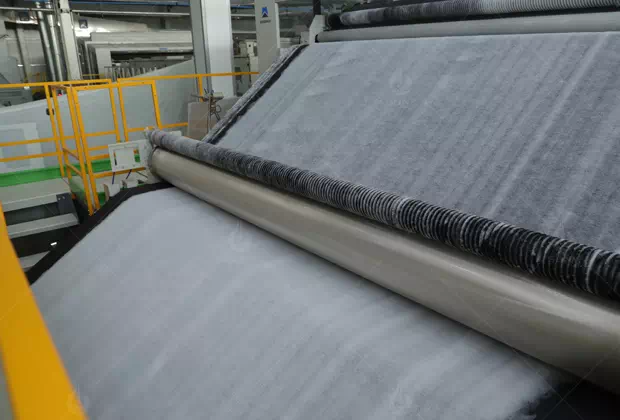
Nonwoven fabric is the main substrate for wet wipe production. Common raw materials include viscose fiber, polyester, wood pulp fiber, and lyocell fiber. Actual selection typically considers parameters such as basis weight, absorbency, wet strength, width, and roll diameter. A common basis weight is approximately 30–80 g/m², but the specific amount needs to be determined based on the intended use and specifications of the wet wipes.
From an equipment perspective, the nonwoven fabric roll first enters the automatic unwinding system, then undergoes correction, tension control, folding, and length cutting. Unstable unwinding tension can lead to fabric misalignment, uneven folding, or breakage, affecting subsequent packaging. Therefore, when evaluating a wet wipes machine, it’s crucial to consider not only the number of packs produced per minute but also whether the equipment is compatible with the raw material’s width, roll diameter, and weight.
Wet Wipe Liquid and Packaging Materials: Matching Metering and Packaging Equipment Required
Wet wipe liquid typically consists of pure water, humectants, and preservatives. The formulation and dosage vary between different products. The production line needs to be equipped with a liquid storage, filtration, metering, and online dispensing system to ensure even distribution of the liquid on the non-woven fabric. Inconsistent dispensing can easily lead to finished products that are too dry, too wet, or have inconsistent moisture levels within the same pack.
Common packaging materials include composite films such as PE, BOPP/PE, and PET/PE, depending on the packaging format and heat-sealing requirements. Packaging equipment typically includes units for bag making, heat sealing, counting, stacking, and labeling; for pull-out wet wipes with flip-top lids, a plastic cap application or sealing mechanism is also required.
Configuring a Wet Wipes Production Line Based on Raw Material Requirements
A complete wet wipes production line typically consists of an unwinding machine, a folding machine, a liquid dispensing system, a cutting mechanism, a counting and stacking device, a packaging machine, and a sealing device. More automated production lines can also connect to boxing and palletizing equipment. Multi-line parallel structures can process multiple fabrics simultaneously, increasing output per unit time, but the final packaging speed is still affected by the number of wipes per pack, wipe size, packaging film, and equipment configuration.
A more practical equipment selection sequence is: first determine the nonwoven fabric specifications and wipe size; then determine the folding method, the number of wipes per pack, the packaging form, and the target capacity; finally, configure the corresponding feeding, liquid dispensing, and packaging equipment. This can reduce material mismatch problems during later machine adjustments.