Categories
News

PP Plastic Lids and Caps for Wet Wipes

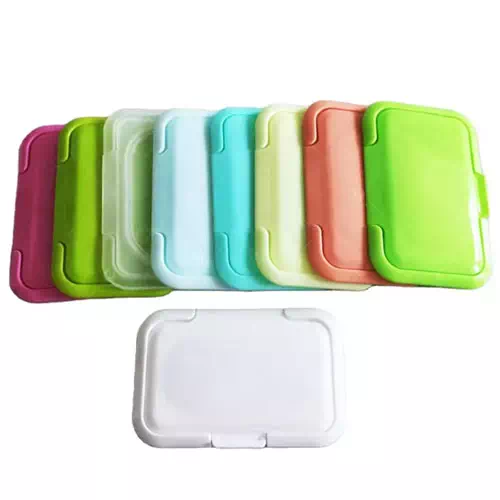
In the wet wipes industry, PP plastic lids, though small in size, directly impact product sealing, durability, and user experience. The key to consistently and efficiently producing wet wipe lids with precise dimensions, smooth opening and closing, and consistent appearance lies not in the material itself, but in the capabilities of the entire plastic lid molding and supporting equipment.

I. Molding Principles and Equipment Foundation of PP Wet Wipe Lids

PP wet wipe lids are typically manufactured using injection molding. The key factors are the stability of the injection molding machine and the precision of the mold. Dedicated injection molding equipment melts PP raw materials at high temperatures and injects them into the mold cavity under high pressure, forming the flip-top, snap-on, or press-on structure in a single process. Given the characteristics of wet wipe lids – thin walls, multiple structures, and frequent opening and closing – the equipment needs a precise temperature control system and stable clamping force to ensure the product does not deform or have flash, while maintaining good elasticity and fatigue resistance.
II. Core Configuration of Automated Wet Wipe Lid Production Equipment

Modern wet wipe lid production lines are highly automated, typically consisting of high-speed injection molding machines, precision molds, automatic pick-and-place robots, and online inspection systems. The robots can quickly remove the products after molding, avoiding contamination or deformation caused by manual handling; the online inspection equipment performs real-time screening of dimensions, appearance, and snap-on integrity, significantly improving the yield rate. Some high-end production lines also integrate automatic boxing or linkage with the wet wipe packaging line, achieving seamless integration of lid production and finished product packaging.

III. Impact of Equipment Upgrades on Wet Wipe Lid Quality and Cost

High-performance equipment not only increases production capacity but also directly affects product consistency and long-term costs. A stable injection molding system reduces raw material waste, rework, and scrap rates; high-precision molds extend service life and reduce maintenance frequency; and energy-efficient injection molding machines significantly reduce power consumption. For wet wipe manufacturers, choosing mature and reliable PP wet wipe lid production equipment is not just about improving packaging quality, but also a crucial step in building a large-scale, standardized production system.

From appearance to function, from efficiency to cost, the competitiveness of PP wet wipe lids ultimately lies in the manufacturing equipment and process level behind them. Stable, efficient, and sustainable equipment solutions are becoming an indispensable core support for upgrading wet wipe packaging.
Categories
News

Raw Materials for Wet Wipes Production

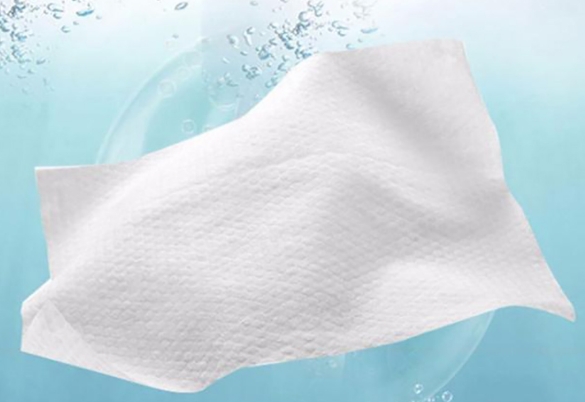
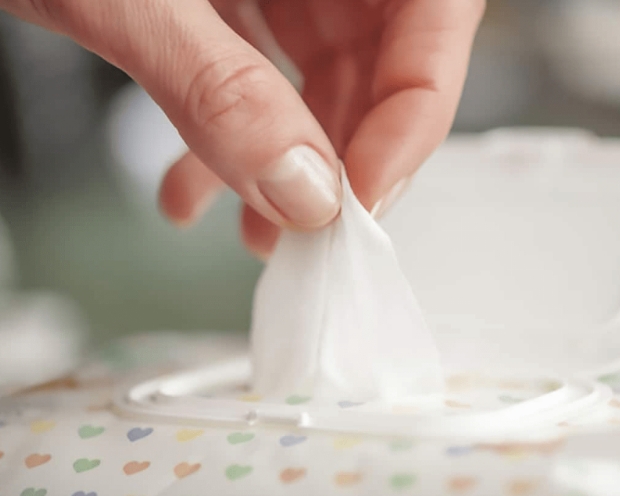
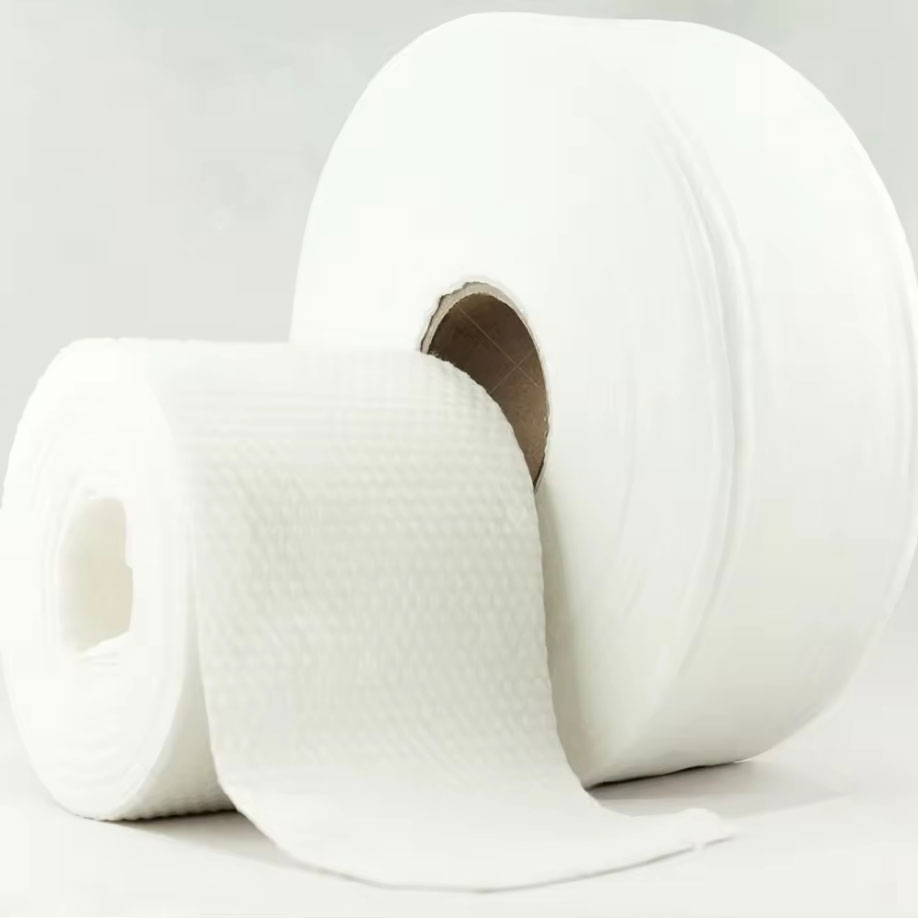
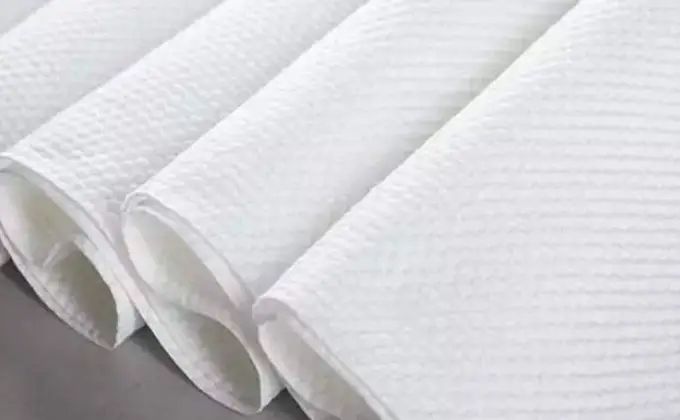
When you pull a wet wipe from its pack, it feels soft like fabric yet strong enough not to tear like paper. It stretches slightly, absorbs liquid quickly, and cleans more effectively than ordinary tissue. This unique material is not paper at all, but a type of nonwoven fabric known as spunlace, or hydroentangled nonwoven, which is the most commonly used base material in wet wipes production.

A hydroentangled nonwoven is produced through a special manufacturing process rather than traditional weaving or knitting. In simple terms, it is a fabric made by entangling fibers together using high-pressure water jets. Unlike woven textiles, nonwoven fabrics are formed directly from fibers that are laid out in a web, either randomly or in a specific orientation. The hydroentanglement process uses ultra-fine streams of water to force these fibers to twist, move, and lock together. This creates a strong and cohesive fabric without the need for chemical binders or adhesives, making it more skin-friendly and environmentally acceptable.

One of the biggest advantages of hydroentangled nonwovens is that the process does not damage the original properties of the fibers. The resulting fabric closely resembles traditional textiles in appearance and hand feel, while maintaining high strength, low linting, excellent absorbency, and good breathability. It is soft, flexible, drapes well, and absorbs moisture quickly, which is exactly what wet wipes require for personal care, household cleaning, and medical use.

The typical production process of spunlace nonwovens includes fiber opening and mixing, carding, web formation, drafting, hydroentanglement, drying, slitting, winding, and storage. Each step is designed to ensure uniform fiber distribution and stable fabric performance. By adjusting fiber types and ratios, manufacturers can tailor wipes for different applications, such as baby wipes, facial wipes, disinfectant wipes, or industrial wipes.

Several types of fibers are commonly used in wet wipes. Polyester (PET) and polypropylene (PP) are widely applied because of their high strength, durability, and chemical resistance. Viscose and Tencel, derived from natural wood pulp, are known for their softness, breathability, and excellent absorbency, making them ideal for skin-contact products. Wood pulp fibers provide outstanding liquid absorption and cleaning performance, while cotton fibers offer natural absorbency and effective dirt removal. In practice, wipes are rarely made from a single fiber. Blended structures such as PET and viscose are the most common, balancing strength, softness, and cost.

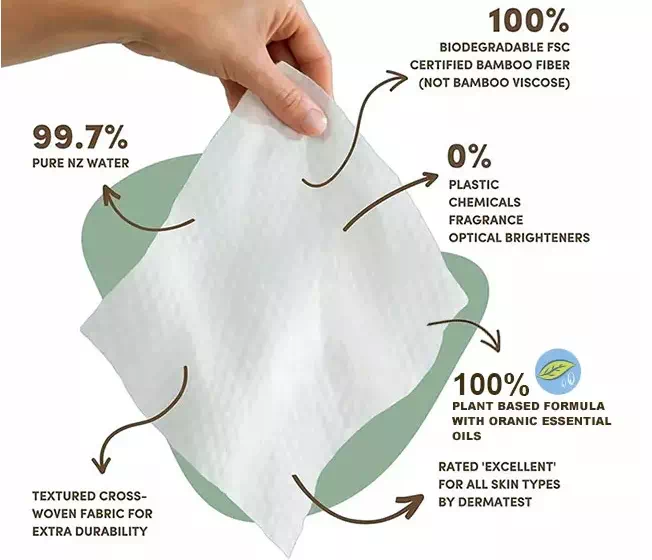
With growing environmental awareness, biodegradable and flushable wipes are becoming increasingly popular. These products often use viscose, bamboo fiber, wood pulp, or their combinations, allowing the wipes to break down naturally or disperse in water. While such materials are usually more expensive, they represent a sustainable direction for the wet wipes industry.

In summary, hydroentangled nonwoven fabric is the core raw material behind modern wet wipes. Through advanced water-jet technology and carefully selected fiber blends, spunlace nonwovens deliver the softness, strength, absorbency, and safety that consumers expect from high-quality wipes.

Categories
News

Wet Wipes Raw Materials Recycling Solution

Wet wipe products may seem simple, but the stable output from raw materials to finished products relies on the precise processing of specialized equipment. Whether it’s baby wipes, alcohol wipes, or cleaning wipes, there are high demands on the compatibility and processing stability of the raw materials. Wet wipe production equipment is the key link connecting raw materials and finished products.

I. Wet Wipe Raw Material Composition and Processing Requirements

The main raw materials for wet wipes include non-woven fabric substrates, wet wipe liquid formulations, and packaging materials. The non-woven fabric needs to have softness, liquid absorption, and strength; the liquid formulation requires precise proportions and uniform mixing; and the packaging materials directly affect the product’s sealing and moisturizing properties. If these raw materials were processed manually, the efficiency would be low, and consistency would be difficult to guarantee. Therefore, automation equipment is essential.

II. How Wet Wipe Production Equipment Processes Raw Materials

Modern wet wipe production equipment integrates raw material processing to a high degree. From the automatic unwinding, tension control, and folding of the non-woven fabric, to the constant temperature storage and precise metering of the liquid raw materials, and then to the cutting and packaging at the end, all stages are completed collaboratively by the equipment. During the entire machine operation, parameters can be adjusted according to the characteristics of different raw materials, ensuring uniform liquid content in the wipes, a neat appearance, and avoiding raw material waste and quality fluctuations.

III. Equipment Advantages and Practical Application Value

Professional wet wipe manufacturing equipment has advantages such as stable operation, strong adaptability, and a high degree of automation. It can be compatible with various non-woven fabric specifications and different types of raw material formulations. Through standardized production with the equipment, not only is the utilization rate of raw materials improved, but labor costs and human errors are also significantly reduced. For wet wipe manufacturers, choosing mature and reliable equipment is crucial for achieving large-scale production, ensuring product consistency, and enhancing market competitiveness.

From raw materials to finished wet wipes, efficient machinery is not only a production tool but also the core foundation for guaranteeing quality and efficiency.

Categories
News

How to choose raw materials for wet wipes? Key factors affecting quality

The main base material of wipes is nonwoven fabric. Common nonwoven materials include hydroentangled nonwoven, hot air nonwoven, spunbond nonwoven, etc. Among them, hydroentangled nonwoven is widely used in high-end wet wipes because of its softness, strong liquid absorption and good skin-friendliness. In addition, the choice of raw material fibers is also very important, natural fibers such as cotton, bamboo pulp fiber, wood pulp fiber is more environmentally friendly and comfortable to the touch, while chemical fibers such as polyester, viscose has better durability and cost advantages. How to find a balance between environmental friendliness, comfort and cost is an issue that wipes manufacturers must consider.

How to choose wet wipes raw materials?

In addition to the nonwoven substrate, the functional formulation added to the wipes is also a key factor in quality. For example, cleansing wipes need to add surfactants to enhance the decontamination power, while baby wipes pay more attention to mild moisturizing ingredients such as aloe vera extract and glycerin. Sterilizing wipes, on the other hand, need to contain a certain concentration of alcohol or antiseptic ingredients to ensure effective sterilization without overstimulating the skin. Therefore, the science and safety of the formula must be rigorously tested to meet the needs of different usage scenarios.

In summary, choosing the right raw materials for wipes requires attention to both the quality of the substrate and fiber composition, as well as consideration of whether the functional formula is safe and effective. Only when all aspects of raw materials are controlled in place, can we produce quality wipes with soft texture, good liquid absorption, mild and non-irritating to meet consumer demand. For wet wipes manufacturing enterprises, the choice of raw materials is not only a cost issue, but also affect the brand reputation and market competitiveness of the core elements.

Categories
News

Understanding the Role of Raw Materials in Wet Wipe Manufacturing

The quality of wipes is closely related to the raw materials they are made of, the most important of which is nonwoven fabric. Nonwoven fabric is the base of the wipes and determines the softness and durability of the wipes. A good quality nonwoven ensures that the wipes will not break easily during use and will provide a comfortable touch for people with different skin types.

Understanding the Role of Raw Materials in Wet Wipe Manufacturing

In addition, the liquid formulation of the wipes is critical. Liquid usually consists of water, moisturizer and disinfectant, etc. Water is the basic ingredient, while the moisturizer can effectively lock the moisture of the skin, and the disinfectant ensures that the wipes have a cleaning effect. The addition of flavor enhances the experience of use, but avoid skin irritation.

As environmental awareness grows, more and more wipes manufacturers are choosing to use biodegradable materials to minimize their impact on the environment. The use of biodegradable non-woven fabrics and eco-friendly packaging materials not only meets the requirements of sustainable development, but also provides consumers with greener options.

Finally, the safety of wipes is crucial. Manufacturers must ensure that all raw materials comply with safety standards, and that strict controls are in place during the production process to ensure that the products are not harmful to consumers’ health. Through scientific raw material selection and strict quality control, wipes can win consumers’ trust in the market.

Categories
News

Raw Materials for Wet Wipes: Essential Components Explored

The quality and experience of wipes is closely related to the choice of their raw materials. The base material for wipes is usually a nonwoven, and common materials include polypropylene (PP), polyester (PET) and wood pulp fiber. Polypropylene is widely used for general wipes due to its good moisture retention and strength, while polyester is used for wipes that require greater durability. Wood pulp fiber, on the other hand, is more commonly used in eco-friendly wipes because of its better biodegradability. Choosing the right nonwovens not only improves the strength of the wipes, but also increases the comfort when using them.

Solar PV Panel Aluminum Frame Remove Machine

Spunlaced Nonwoven Fabric

In addition to the nonwoven fabric, the wetting agents and cleaning ingredients of the wipes also play a vital role. Moisturizers, such as water, glycerin, and plant extracts (e.g., aloe vera extract), keep wipes feeling moist while providing additional moisturization. Among the cleansing ingredients, surfactants help remove oils and dirt from the skin’s surface, while alcohol is commonly used in disinfectant wipes to provide antiseptic action. Wipes for different purposes will vary in their formulations, for example, baby wipes generally avoid the use of more irritating cleansing ingredients.

In addition, for some skin care wipes and baby wipes, skin care ingredients are particularly important. Common ingredients such as vitamin E, aloe vera and shea butter soothe and nourish the skin, reducing dryness or irritation. Fragrances and preservatives are also common ingredients in wipes. Fragrances add a fresh scent to the wipes to enhance the experience, while preservatives ensure that the wipes are not contaminated during storage, extending their shelf life. It is important to note that wipes for sensitive skin are often chosen to be fragrance-free or use natural fragrances to minimize the risk of allergies.

The formulation of wipes’ raw materials directly affects the functionality and safety of the product. Understanding these key ingredients and their roles will help consumers choose the right wipes for their needs, as well as help manufacturers optimize the quality of their products to meet the needs of different consumers.

Categories
News

Understanding the Essential Raw Materials for Wet Wipes

Wet wipes have become an indispensable part of daily life, offering convenience and hygiene in one compact package. From personal care to industrial applications, their uses are diverse and ever-growing. However, the effectiveness and quality of wet wipes largely depend on the raw materials used in their production. Understanding these materials can provide insights into their functionality, sustainability, and safety.

Understanding the Essential Raw Materials for Wet Wipes

Understanding the Essential Raw Materials for Wet Wipes

The foundation of any wet wipe is its base material, typically made from nonwoven fabrics. These fabrics are chosen for their durability, softness, and absorbency. Commonly used fibers include polyester and polypropylene for their strength and cost-effectiveness, viscose for its natural absorbency and biodegradability, and cotton for its hypoallergenic properties. Manufacturers often blend these fibers to achieve a balance of strength, softness, and cost, ensuring the wipes meet specific usage requirements.

The liquid solution impregnated into wet wipes determines their specific purpose. Water, as the primary ingredient, must be purified to prevent contamination. Additional components such as mild cleansing agents, moisturizers like glycerin or aloe vera, and preservatives are carefully selected to ensure safety and effectiveness. For specialized uses, disinfectants or antibacterial agents like alcohol are added, while fragrances and essential oils enhance the user experience. All these elements must be balanced to create a product that is both functional and skin-friendly.

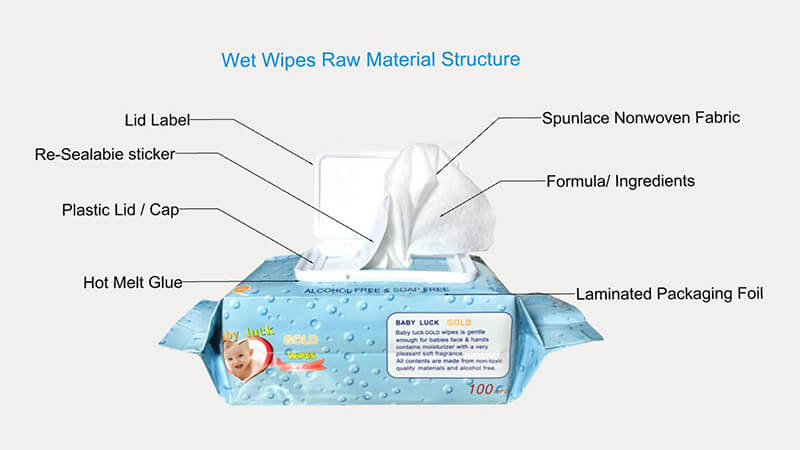
The packaging of wet wipes is also crucial in maintaining their quality and usability. Plastic films and aluminum laminates are commonly used to protect the wipes from drying out or contamination. Resealable lids or flip-tops are designed to ensure convenience and freshness. With growing environmental awareness, manufacturers are adopting sustainable practices, such as using biodegradable fibers like bamboo, reducing chemical additives in favor of natural solutions, and developing recyclable or reusable packaging.

Categories
News

Uncovering the Secrets of Wet Wipe Raw Materials

Wet wipes are ubiquitous in modern life, providing convenience and hygiene for a range of applications, from personal care to industrial cleaning. Despite their widespread use, the materials used to manufacture wet wipes remain less understood by the general public. Exploring these raw materials reveals not only the complexity of wet wipe production but also their impact on performance, cost, and sustainability.

Uncovering the Secrets of Wet Wipe Raw Materials

The primary component of wet wipes is the substrate or base material, which determines the wipe’s texture, strength, and absorbency. Most wet wipes are made from nonwoven fabrics, typically composed of polyester, viscose, or a blend of the two. Polyester adds durability and tear resistance, while viscose enhances softness and absorbency. Some manufacturers are shifting toward sustainable options, such as bamboo or cotton, to reduce environmental impact.

To cater to specific needs, manufacturers frequently include additives in their wet wipes. Antibacterial agents, such as benzalkonium chloride, make the wipes suitable for sanitization purposes, while fragrance or essential oils enhance the sensory experience. In baby wipes, soothing agents like chamomile or calendula are added to prevent irritation on sensitive skin.

Some wet wipes also feature biodegradable polymers or natural binders to improve their environmental compatibility. These materials help balance performance requirements with the growing demand for eco-friendly products.

The raw materials behind wet wipes play a critical role in determining their performance, cost, and environmental impact. By understanding the components and innovations in this industry, consumers can make informed choices that align with their values, whether prioritizing skin safety, hygiene, or sustainability. As technology advances and sustainability remains at the forefront, the secrets of wet wipe raw materials will continue to shape the future of this essential product.

Categories
News

Hot Melt for Lid Pasting Material for Wet Wipes

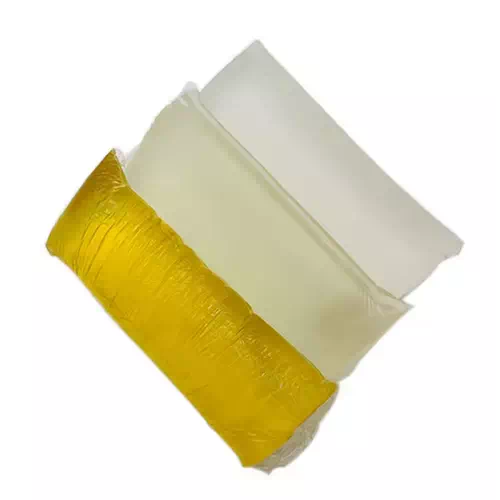
Hot melt adhesive is one of the commonly used wet wipes cover seal materials. It has excellent adhesive properties and can firmly bond the cover seal to the wipes sheet. The use of hot melt adhesives facilitates the production of wipes and also ensures the quality and stability of the product.

One of the reasons why hot melt adhesives are widely used in the production of wipes is because of their superior bonding properties. It can cure quickly in a short period of time to form a strong bond, making the connection between the cover seal and the wipes sheet more secure. This not only helps to increase the service life of the wipes, but also effectively prevents the cover seal from loosening and falling off.

Hot Melt for Lid Pasting Material for Wet Wipes

Hot Melt for Lid Pasting Material for Wet Wipes

Hot melt adhesives are suitable for a wide range of wipes, including baby wipes, make-up wipes and cleaning wipes. Whether for everyday use in the home or in the commercial sector, hot melt adhesives can meet the sealing needs of different types of wipes. Their adhesion is long-lasting and reliable, ensuring the sealing and hygiene of wipes packaging.

Hot melt adhesives are relatively simple and efficient to prepare. Manufacturers usually heat the hot melt pellets in a melting plant to achieve the right viscosity and temperature. The melted hot melt adhesive is then uniformly applied to the cover of the wipes through a conveyor system, and then quickly cured to complete the sealing process.

In recent years, environmental awareness has been raised so that manufacturers are paying more and more attention to the environmental protection of hot melt adhesives. Green hot melt adhesive products have gradually become the mainstream of the market, the use of non-toxic, low volatile raw materials, to reduce the negative impact on the environment. At the same time, the recycling of hot melt adhesives has also become one of the focuses of manufacturers.

Categories
News

How to choose wet wipes raw materials?

Wet wipes have become one of the most common cleaning methods in daily life, especially the wide application of hydroentangled nonwoven fabrics in various types of wipes, which have been widely recognised in the market for their excellent water absorption and comfort. Whether they are used for personal care, household cleaning or medical cleaning, there is a wide range of wipes available, each with specific uses and needs. For wipes manufacturers, choosing the right raw material for wipes is critical.

Different wipes are designed for different usage scenarios and needs

From general wipes to specialised baby wipes and feminine care wipes, to biodegradable wipes and household cleaning products, each type of wipe requires a specific spunlace material to ensure its functionality and comfort.

How to choose wet wipes raw materials?

Common wipes are usually used for daily cleaning and require softness and absorbency for effective cleaning and comfort. Nonwovens made of viscose polyester fibres are the usual choice. Soonercleaning can adjust the ratio of viscose and polyester fibres in the hydroentangled nonwoven according to the requirements of the wipes customers.

Among personal care wipes, baby wipes require high safety and gentleness to avoid irritation to baby’s skin. Female care wipes need to consider the absorption performance and comfort, while avoiding allergic discomfort. Some wipes manufacturers use fibres such as cotton, lyocell and bamboo to make their products soft and comfortable. Soonercleaning’s hydroentangled non-woven fabrics are free of fluorescent agents and additives, and have a soft handfeel, which makes them suitable for use as a non-woven raw material for personal care wipes.

Cleaning wipes are used in large quantities and require materials that are strong, absorb oil and water, and dry quickly. Soonercleaning offers coloured viscose & polyester spunlace nonwoven, wood pulp polypropylene spunlace nonwoven, wood pulp polyester spunlace nonwoven, which can be customised with different colours and patterns, and are suitable for home cleaning, kitchen cleaning and other scenarios.

Biodegradable spunlace nonwoven materials have become an increasingly popular choice in consumer products such as wet wipes in recent years, featuring the ability to naturally decompose or biodegrade after use, helping to reduce the negative impact on the environment. Natural fibres such as viscose, bamboo, wood pulp (paper pulp) and cotton are usually chosen, which are inherently biodegradable and can decompose quickly under the right environmental conditions, reducing the long-term impact on the environment.

Flushable wet toilet paper is a new option for wet wipes in recent years, with a focus on environmental protection and sustainability. When selecting raw materials for wet toilet paper, biodegradability, flushability, stability and adaptability need to be considered. Flushable non-woven fabrics made from wood pulp, viscose and other short fibres are often chosen. The use of such biodegradable materials not only meets consumer demand for environmentally friendly products, but also helps to reduce landfill and pollution, which is in line with the global trend of sustainable development.