Categories
News

What are the raw materials used to manufacture wipes?

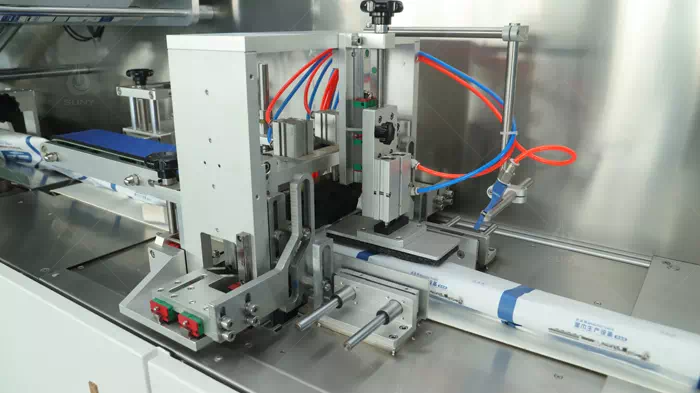
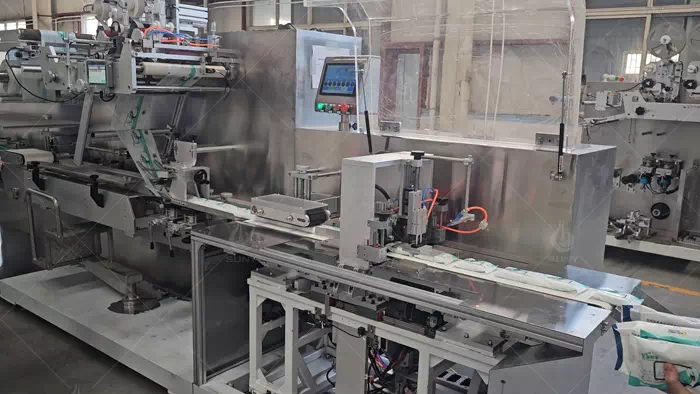
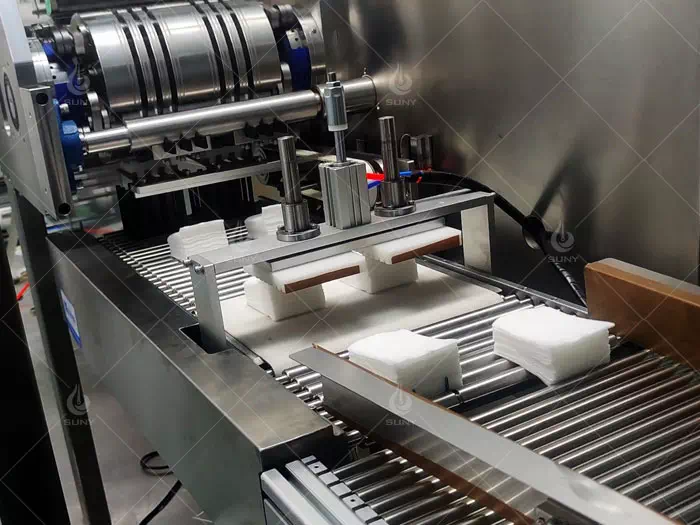
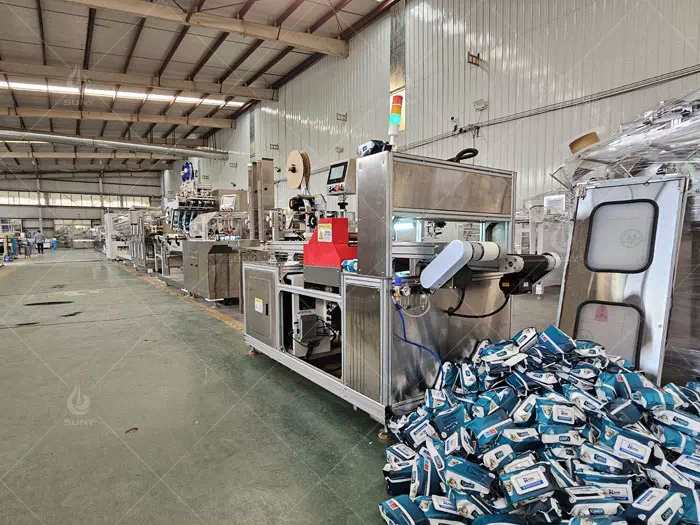
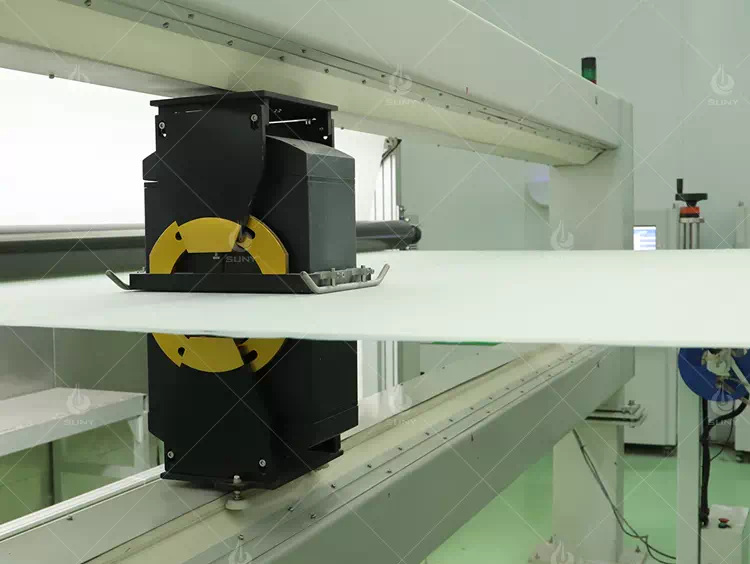
Premium wipes production equipment is an essential part of modern industrial production, designed to meet the demands of large-scale wipes production. Characterized by high efficiency, automation, and versatility, these machines automate the entire process, from raw material processing to finished product packaging, not only increasing productivity but also ensuring consistency and stability of product quality.
Advanced Wet Wipes Machinery for Industrial Production

The core technology of such machines covers several aspects. The first is the precise proportioning and processing of raw materials to ensure that the wetness and softness of the wipes are optimized. The machine then completes the basic processing of the wipes with high-speed cutting, folding, and molding modules. Modern machines are often equipped with intelligent control systems that can adjust the size, material, and packaging style of the wipes according to different production needs, thus meeting diverse market demands. In addition, premium wipes production facilities are environmentally friendly, reducing the environmental impact of production by optimizing energy consumption and reducing waste.

In a competitive market environment, introducing advanced wipes production equipment brings significant advantages to companies. Automated production not only significantly increases production capacity, but also reduces reliance on manual operations, thereby lowering production costs. At the same time, the high precision and high efficiency of the equipment allow companies to respond to market changes quickly, and launch more products to meet consumer demand. In the future, with the further development of science and technology, this type of equipment will achieve more breakthroughs in intelligence and green, bringing more innovation and possibilities for the wet wipes industry.
Categories
News

The Essential Guide to Raw Materials Wet Wipes

Wet wipes, as a common cleaning product in daily life, have gradually become a necessity in many people’s lives. Whether at home, in the office, or when travelling, wipes are widely used for their convenience and versatility. However, in order to produce high quality wipes, in addition to a good production process, the choice of raw materials is also crucial. In this article, we will take you through some of the main raw materials required for the production of wipes and their importance.

The Essential Guide to Raw Materials Wet Wipes

The Essential Guide to Raw Materials Wet Wipes

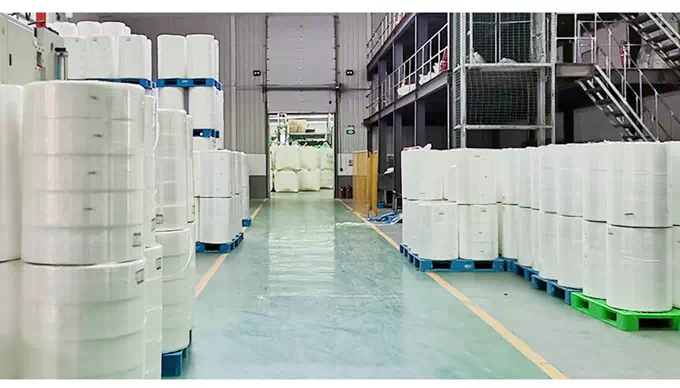
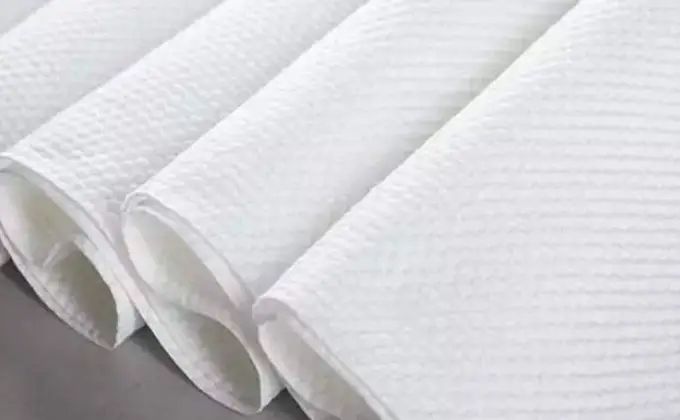
The main raw materials for wipes include non-woven fabrics, liquid wipes, packaging materials, and so on. Among them, non-woven fabric is the basic material of wipes, which determines the strength, softness and comfort when using wipes. Nonwoven fabrics are usually made of synthetic fibres such as polypropylene and polyester, which have strong tear resistance and water absorption, which makes the wipes less prone to breakage during use and able to absorb liquids quickly. The quality of the nonwoven fabric directly affects the feel and effectiveness of the wipes, so the uniformity, density and hydrophilicity of the fibres should be considered when choosing a nonwoven fabric.

Liquid wipes, on the other hand, are the core ingredient of wipes, which not only cleans and moisturises, but also provides a certain degree of antiseptic effect. The main components of liquid wipes include water, detergents, moisturisers, fragrances and bactericidal ingredients. Water is the base solvent of liquid wipes, while detergents help remove dirt and grease. Moisturisers such as glycerine, aloe vera and other ingredients provide moisturisation to the skin while cleansing to avoid excessive dryness. Fragrances are added to give the wipes a fresh and pleasant aroma during use, adding to the user experience. In addition, as consumers become more concerned about health and the environment, many wipes manufacturers have begun to choose natural ingredients and harmless germicidal ingredients to ensure the safety and environmental friendliness of their products.

Packaging materials are also a non-negligible part of wipes products. Wet wipes are usually packaged in aluminium foil bags, plastic bags or paper packages, which not only need to be moisture-proof and pollution-proof, but also easy for consumers to use. The design and material of the packaging not only affects the shelf life of the wipes, but also directly affects the sales and brand image of the product. As environmental awareness increases, more and more brands are adopting recyclable or biodegradable materials to reduce the impact of plastic waste on the environment.

Categories
News

Uncovering the Basics of Wet Wipe Ingredients

Wet wipes are a staple in personal hygiene, cleaning, and healthcare, but have you ever wondered what goes into making these convenient products? Understanding their ingredients can provide insight into their effectiveness, safety, and environmental impact.

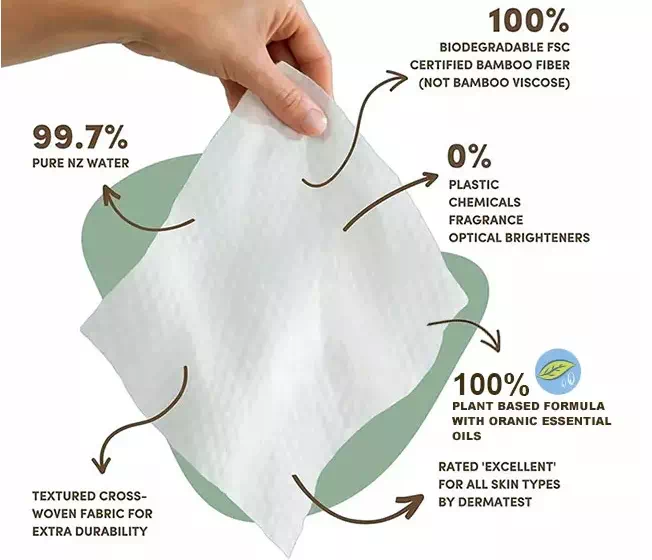
At their core, wet wipes consist of a base material, typically nonwoven fabric. This fabric is designed to be soft, absorbent, and durable enough to hold up during use. Commonly made from a blend of synthetic fibers like polyester and viscose, or natural fibers such as cotton or bamboo, the choice of material affects the wipe’s texture, biodegradability, and strength. Manufacturers often add specific treatments to enhance these characteristics, ensuring the wipes meet various application needs, from baby care to surface cleaning.

Wet Wipes Ingredients

Wet Wipes Ingredients

The liquid solution in wet wipes is equally important. This solution typically contains water as the primary ingredient, ensuring the wipe is moist and easy to use. Beyond water, other components are added for specific purposes. For cleansing wipes, mild surfactants act as cleaning agents, while moisturizing wipes may include emollients like aloe vera or glycerin. Preservatives are another essential component, as they prevent microbial growth and ensure the wipes remain fresh over time. Additionally, fragrance or essential oils are often included for a pleasant scent, though fragrance-free options are available for sensitive skin.

Lastly, wet wipes may incorporate antimicrobial agents, such as alcohol or benzalkonium chloride, for disinfecting purposes. While effective, these ingredients can sometimes cause skin irritation or dryness, so their concentration is carefully regulated. For eco-conscious consumers, some brands are now using biodegradable materials and natural solutions, minimizing the environmental footprint of their products.

Understanding the ingredients in wet wipes helps consumers make informed choices that suit their needs while aligning with personal values regarding safety, sustainability, and functionality. By knowing what goes into these products, you can select options that are not only effective but also aligned with your lifestyle and preferences.

Categories
News

Essential Raw Materials for Crafting Wet Wipes: A Comprehensive Guide

Wet wipes are widely used cleaning and care products in daily life, and their production requires a variety of key raw materials. First, the main substrate of wet wipes is non-woven fabrics. Commonly used materials include a mixture of polyester and polypropylene, which provide durability and smooth texture; cotton is soft and degradable, suitable for environmentally friendly products; rayon or viscose is widely used for its excellent water absorption and softness. Secondly, the cleaning and moisturizing solution in wet wipes usually contains purified water, mild surfactants (such as coconut glucoside), moisturizing ingredients such as glycerin or aloe vera, and preservatives (such as phenoxyethanol) to ensure product safety and extend shelf life. Finally, in order to meet different needs, wet wipes may also add antibacterial agents, soothing ingredients (such as chamomile extract) and environmentally friendly additives to enhance their functionality.

Essential Raw Materials for Crafting Wet Wipes

The packaging materials of wet wipes are also crucial. Common ones are plastic films and hard containers. These packaging materials can effectively keep the wet wipes moist and easy to use. In addition, adhesives and seals are also widely used to ensure that the wet wipes can be sealed and kept fresh during the packaging process. The rational selection and combination of these raw materials ensures the balance between performance, cost and environmental friendliness of wet wipes products.

As consumers’ demand for environmentally friendly and skin-friendly products increases, manufacturers pay more and more attention to the selection of biodegradable and mild raw materials to meet the market’s demand for sustainable and sensitive skin care products. Through scientific formulas and raw material combinations, wet wipes products can maintain their convenience and efficiency and become an indispensable part of modern life.

Categories
News

Do you know what materials and ingredients are used in wet wipes

Wet wipes are typically made of a combination of materials and ingredients, depending on their intended use and brand. Here are some common materials and ingredients found in wet wipes:

Fabric: The fabric used in wet wipes is usually non-woven material, such as polyester, polypropylene, or a blend of wood pulp and synthetic fibers. These materials are soft, absorbent, and durable.

Water: Water is the primary ingredient in wet wipes, serving as the main solvent for other ingredients and helping to moisten the wipes for effective cleaning.

Solar PV Panel Aluminum Frame Remove Machine

Preservatives: Preservatives are added to wet wipes to prevent the growth of bacteria, mold, and other microorganisms. Common preservatives include phenoxyethanol, parabens, and benzalkonium chloride.

Surfactants: Surfactants are chemicals that help to break down and remove dirt, oil, and other substances from the skin. They also help the solution spread evenly on the wipes. Common surfactants include sodium lauryl sulfate and cocamidopropyl betaine.

Emollients: Emollients are added to wet wipes to help moisturize and soften the skin, preventing it from drying out. Ingredients like glycerin, aloe vera, and vitamin E are commonly used as emollients.

Fragrance: Fragrances are added to give wet wipes a pleasant scent. However, some people may be sensitive to fragrances, so unscented options are also available.

Alcohol: Some wet wipes contain alcohol, such as isopropyl alcohol or ethanol, which helps to kill bacteria and provide additional cleansing properties. However, alcohol can also cause skin dryness and irritation in some individuals.

Preservatives: To extend the shelf life of wet wipes, various preservatives are added to prevent the growth of bacteria, fungi, and other harmful microorganisms.

It’s important to note that the specific ingredients and materials used in wet wipes can vary between brands and formulations. If you have specific concerns about the ingredients in wet wipes, you may want to check the product label or contact the manufacturer for more information.

Categories
News

What are the raw materials for making wet wipes?

The raw materials commonly used in the production of wet wipes include:

Non-woven fabric: This is the primary material used for the wipes themselves. Non-woven fabrics are absorbent, soft, and durable, making them ideal for cleaning purposes.

hat are the raw materials for making wet wipes?

Water: Water is a key component of wet wipes and is used as a moistening agent to ensure the wipes are wet and effective for cleaning.

Preservatives: Preservatives are added to prevent the growth of bacteria and mold in the wet wipes, ensuring their shelf life and safety for use.

Moisturizers and emollients: Ingredients like glycerin, aloe vera, and vitamin E are often added to provide moisturizing and soothing properties to the wipes, making them gentle on the skin.

Cleaning agents: Depending on the intended use of the wet wipes (e.g., baby wipes, disinfecting wipes), various cleaning agents such as surfactants, disinfectants, or soaps may be included.

Fragrances: Fragrances are added to give the wet wipes a pleasant smell and enhance the user experience.

Thickeners and emulsifiers: These ingredients help to stabilize the formulation of the wet wipes and ensure that the various components are well mixed.

Antibacterial agents: In the case of disinfecting wipes, antibacterial agents such as alcohol or benzalkonium chloride may be included to kill germs and bacteria.

These are some of the common raw materials used in the production of wet wipes. The specific formulation and ingredients can vary depending on the intended use of the wipes and the manufacturer’s preferences.

Categories
News

What are the raw materials for making wet wipes?

The raw materials used in the production of wet wipes typically include:

Fabric: The fabric used for wet wipes is usually a blend of natural and synthetic fibers like cotton, rayon, or polyester. This fabric needs to be soft, absorbent, and strong enough to withstand the wetness of the wipes.

What are the raw materials for making wet wipes??

Water: Water is a primary component of wet wipes as it is the liquid that moistens the wipes. It is often purified or treated to ensure it is free from impurities.

Preservatives: Preservatives are added to wet wipes to prevent the growth of bacteria and mold. Common preservatives used include methylparaben, ethylparaben, and phenoxyethanol.

Surfactants: Surfactants are used to help clean and remove dirt from surfaces. They help the wet wipes to spread the cleaning solution evenly. Examples of surfactants include sodium lauryl sulfate and cetylpyridinium chloride.

Emollients: Emollients are added to wet wipes to keep the skin moisturized and prevent dryness. Common emollients include glycerin, aloe vera, and vitamin E.

Fragrances: Fragrances are added to wet wipes to provide a pleasant smell. These can be synthetic or natural fragrances.

Thickeners: Thickeners are used to give the wipes their desired texture and consistency. Materials like cellulose or synthetic polymers can be used as thickeners.

Alcohol: Some wet wipes may contain alcohol as an antiseptic agent to help kill germs and bacteria. However, alcohol-free options are also available for sensitive skin.

Other Additives: Depending on the specific purpose of the wet wipes, additional additives like aloe vera extract, vitamin E, chamomile extract, or other specialty ingredients may be included to provide specific benefits such as soothing, anti-inflammatory, or antibacterial properties.

Categories
News

What is the difference between the raw materials used to make dry and wet paper towels?

Nonwoven fabric is a kind of fabric formed without spinning and weaving. It is made by directly bonding fibers by physical (mechanical, thermal bonding) or chemical methods. Nonwoven fabrics can be made from a variety of raw materials. Depending on the method of manufacture, nonwoven fabrics are divided into many types.

What are the raw materials for wipes?

Hydroentanglement nonwoven fabrics are made by spraying a high-pressure micro-fine water jet onto one or more layers of the fiber web, which entangles the fibers with each other, thus reinforcing the fiber web and providing it with a certain degree of strength. It ensures an exceptionally soft and thick feel with a certain tensile strength. Other nonwovens are made by melt-bonding and spun-bonding processes. In addition to the processing factors, the quality of non-woven fabrics is also determined by the choice of raw materials, which is generally not indicated in the list of ingredients, so mothers can only choose through a comprehensive judgment of other ingredients.

The content of the liquid in the wipes is generally about 80%. If the content is too low wet wipes will feel drier, on the contrary, if the content is too high will feel too wet, and they are not convenient to use. So after testing, the proportion of liquid is usually around 80% is most suitable. And more than 90% of the liquid is water, to avoid the ingredients in the water and the liquid ingredients reacting, the water used in the wet wipes must be specially treated water. Ingredient list labeled ‘refined water’ ‘pure water’ ‘RO water’ is the meaning.

There are a variety of additives in wet wipes, and the difference is greatest among brands of wet wipes. Most of the additives are labeled with chemical names, which are not readable by the average consumer. In fact, although the use of different supplies, but the role is similar, the key is what these raw materials are used

Categories
News

What ingredients are needed to make wipes?

The ingredients needed to make wipes can vary depending on the type of wipes being produced. However, for general-purpose disinfecting or cleaning wipes, the following are common ingredients used in their production:

Fabric or Material: The material used for the wipes can vary, such as non-woven fabric, cotton, or other absorbent materials.

What ingredients are needed to make wipes

Cleaning Solution:

Water: Usually the primary ingredient in the cleaning solution.

Disinfectants: Common disinfectants include quaternary ammonium compounds, alcohol (like isopropyl alcohol), hydrogen peroxide, or bleach (sodium hypochlorite).

Surfactants: These help lift dirt and grime from surfaces. Examples include alkyl polyglycosides, alkyl dimethyl benzyl ammonium chloride, or sodium lauryl sulfate.

Preservatives: To prevent bacterial or fungal growth in the wipes. Common preservatives include methylisothiazolinone, phenoxyethanol, or benzalkonium chloride.

Fragrances: Optional, for a pleasant smell.

Emollients:

Glycerin: Helps to keep the skin moisturized.

Aloe Vera: Soothing and moisturizing properties.

Vitamin E: Skin-conditioning agent.

Other Additives:

Thickeners: Such as carbomer or xanthan gum to adjust the viscosity of the solution.

Chelating Agents: Like EDTA, to improve the stability and effectiveness of the wipes.

pH Adjusters: To maintain the appropriate pH level for skin contact.

Antioxidants: To prevent the oxidation of ingredients over time.

It’s important to note that the specific formulation of wipes can vary based on their intended use (e.g., baby wipes, disinfecting wipes, makeup wipes) and the manufacturer’s preferences. Additionally, regulatory bodies may have guidelines on the ingredients permitted in wipes intended for specific purposes.

Categories
News

What are the raw materials for wipes?

Wet wipes, as a convenient and practical cleaning product in daily life, its raw materials form an important basis for its quality and function. The production material of most wet wipes is mainly hydroentangled nonwoven fabrics, which is also known as nonwoven fabrics, and is a kind of cloth formed or bonded by high-pressure treatment of various fiber raw materials through needle-rolling machinery or carding machinery.

What are the raw materials for wipes?

However, the so-called nonwoven fabric is only a general term and raw materials such as polyester fibers and viscose fibers are usually used in its production process. Polyester fibers have excellent abrasion and washing resistance, while viscose fibers have good water absorption and softness, the combination of the two can make the wipes cleaning of both strong adsorption, but also to maintain a soft and comfortable touch.

It should be noted that not all wipes are made of polyester or viscose fibers, and manufacturers usually match the ratio of different raw materials according to the design needs and functional characteristics of the product to ensure that the wipes have good performance and user experience during use.

Therefore, the choice of high-quality materials and a reasonable proportion of wet wipes provide a double guarantee of cleaning effect and comfort, making them an indispensable and convenient tool in daily life.