

Wet Wipes Machine Raw Materials: Selection and Processing Guide
The selection of raw materials for a wet wipes machine directly affects the stability of equipment operation, the quality of finished wet wipes, and packaging efficiency. Matching the nonwoven fabric, wet wipe liquid, and packaging film according to product specifications helps reduce feeding deviations, poor folding, and sealing defects, and improves the operating efficiency of automated wet wipes production lines.
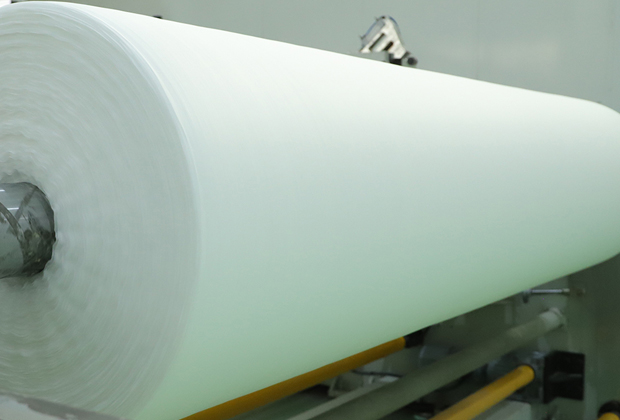
Wet wipe production mainly involves three types of raw materials: substrate, liquid additives, and packaging materials. Common substrates include viscose fiber, polyester fiber, and their blended nonwoven fabrics. Different materials differ in terms of absorbency, softness, tensile strength, and wet properties; therefore, it is necessary to select the appropriate basis weight and width based on the intended use of the wet wipes.
Unwinding and Feeding: The width, roll diameter, and tension of the nonwoven fabric affect the stability of continuous feeding. Improper tension control may cause the material to wrinkle or deviate.
Folding and Liquid Addition: The thickness, softness, and absorbency of the substrate affect folding accuracy and liquid distribution. The folding effect should be tested before production, and the liquid addition system should be calibrated.
Packaging and Sealing: The heat-sealing temperature range, sealing pressure, and dwell time of the packaging film need to be determined through trial runs to avoid incomplete sealing, wrinkles, or uneven cuts.
Appropriate matching of raw materials and equipment helps reduce setup time and material waste. For companies requiring customized production lines, providing nonwoven fabric samples, packaging film specifications, and target product parameters in advance can ensure more accurate equipment selection.