

Wet Wipes Machine Raw Materials and Manufacturing Process
Wet wipes machine raw materials directly influence product softness, absorbency, liquid retention, folding performance, and packaging quality. Choosing suitable nonwoven fabrics, wetting solutions, and packaging films is essential for maintaining stable production, reducing material waste, and ensuring consistent finished wipes.
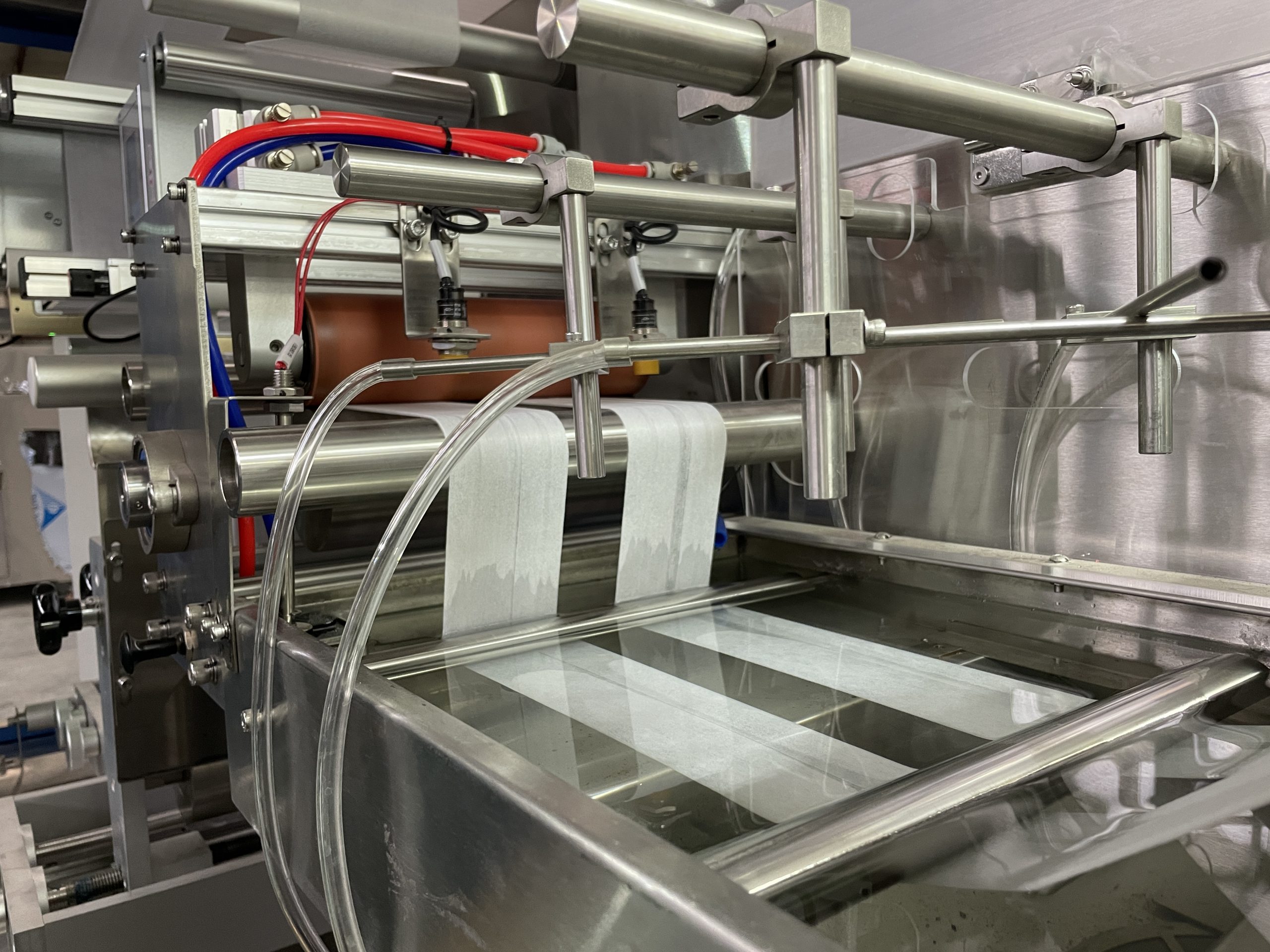
Wet Wipes Machine Raw Materials and Manufacturing Process
Common materials include:
– Spunlace Nonwoven Fabric: Widely used in baby wipes, personal care wipes, and household cleaning wipes. It offers a soft texture, good absorbency, and suitable wet strength.
– Viscose and Polyester Blends: Viscose provides softness and liquid absorption, while polyester improves tensile strength and dimensional stability.
– Wood Pulp Nonwoven: Often used in cleaning wipes because of its absorbent properties and relatively low material cost.
– Lyocell Nonwoven: A cellulose-based material valued for its softness and moisture management.
– Flushable and Biodegradable Materials: Designed for specific disposal and environmental requirements. Their actual performance depends on fiber composition, bonding technology, and applicable testing standards.
For spunlace nonwoven fabrics, common basis weights range from approximately 20 to 110 GSM, depending on the product application. Lighter fabrics are generally suitable for thin cleaning wipes, while heavier materials are often selected for premium personal care and household products.
Wetting Solution and Packaging Materials
In addition to nonwoven fabric, wet wipes require a carefully formulated liquid solution. Depending on the application, ingredients may include purified water, moisturizing agents, surfactants, preservatives, and other functional components.
The liquid application system of a wet wipes making machine must maintain consistent dosing across production lanes. Uneven liquid distribution can cause some wipes to become excessively wet while others remain relatively dry. Therefore, adjustable pumps and precise dosing controls are important for maintaining product consistency.
Packaging materials also affect finished product quality and shelf life. Common options include laminated plastic films, PE-based films, and other moisture-resistant flexible packaging materials.