Categories
News

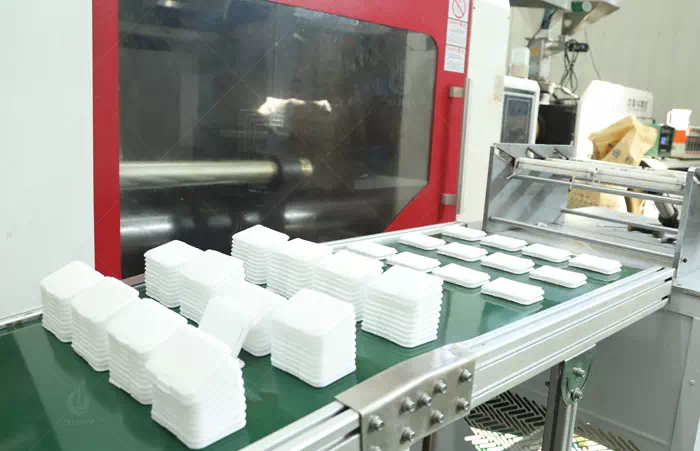
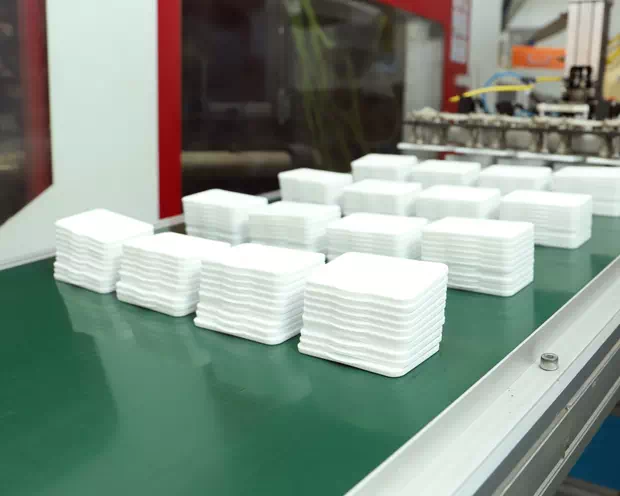
Wet Wipes Packaging Covers

For wet wipes packaging covers, it is essential to ensure functionality, convenience, and attractiveness. The cover design should provide a secure seal to maintain the wet wipes’ moisture, prevent drying out, and ensure hygiene. Additionally, the cover should be easy to open and reseal to facilitate quick access to the wipes while keeping them fresh.

Wet Wipes Packaging Covers

Wet Wipes Packaging Covers

In terms of aesthetics, the packaging cover plays a crucial role in attracting consumers. Eye-catching designs, vibrant colors, and appealing graphics can make the product stand out on shelves and enhance its visual appeal. Incorporating features like resealable stickers or flip-top lids can improve user experience and convenience.

Moreover, the material of the cover should be durable, moisture-resistant, and eco-friendly to align with sustainable packaging practices. Offering different sizes and shapes of covers can cater to various preferences and usage scenarios, enhancing the product’s versatility and market appeal.

By focusing on functionality, convenience, attractiveness, and sustainability, wet wipes packaging covers can effectively protect the product, attract consumers, and contribute to a positive user experience.

Categories
News

Hot Melt PSA Adhesive for Wet Tissue Lid

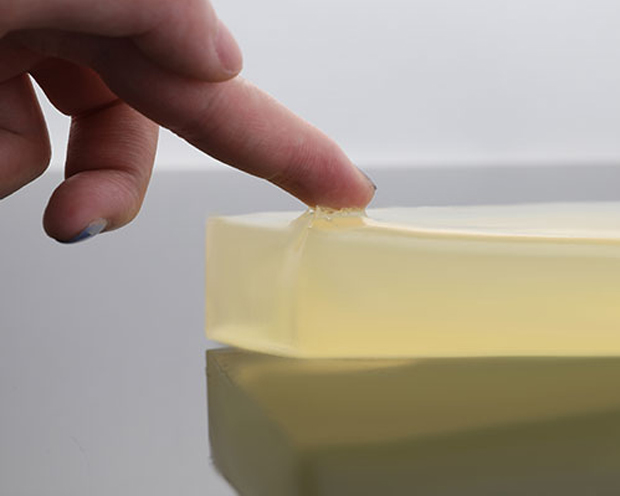
Hot melt pressure-sensitive adhesive (PSA) is a versatile adhesive commonly used in various applications, including the manufacturing of wet tissue lids. This adhesive type offers quick adhesion properties and is ideal for bonding different materials together efficiently.

Hot melt PSA adhesive is known for its quick setting time, strong bond strength, resistance to moisture and humidity, versatility in bonding various substrates, and ease of application and storage.

Hot Melt PSA Adhesive for Wet Tissue Lid

Hot Melt PSA Adhesive for Wet Tissue Lid

In the production of wet tissue lids, hot melt PSA adhesive plays a crucial role in securely attaching the lid to the packaging. Its quick-setting properties ensure a fast and reliable bond, even in moist conditions, maintaining the integrity of the wet tissues inside.

The benefits of hot melt PSA adhesive for wet tissue lids include secure bonding, moisture resistance, efficient production due to its quick setting time, and reliable performance that maintains adhesion strength even in wet environments.

Hot melt PSA adhesive is a valuable component in the manufacturing of wet tissue lids, providing secure bonding and moisture resistance. Its efficiency and reliability make it a preferred choice for ensuring the quality and functionality of wet tissue packaging.

Categories
News

How to choose wet wipes cover?

When choosing a wipe cover, the following aspects can help you make the right choice:

Sealing performance: the sealing performance of the wipe cover is one of the key factors. Make sure the lid can effectively seal to prevent wipes from drying out prematurely and maintain moistness.

Wet Wipes Cover

Wet Wipes Cover

Easy to open and close design: Choose a wipes lid design that is easy to open and close, making it convenient to quickly remove wipes when in use and able to easily close them to avoid wipes being exposed to air for a long period.

Packaging material: The material of the wipes cover should be safe and harmless, and will not contaminate the wipes themselves. Quality materials help maintain the quality and freshness of the wipes.

Durability: Choose a durable wipes cover that can withstand prolonged open and close use without damage, ensuring that the cover’s function is long-lasting and effective.

Design style: Choose the right design style based on personal preference and the occasion of use, there may be different colors, shapes, or patterns of wipes lids to choose from.

Environmental considerations: Choosing a recyclable or biodegradable wipe cover will help minimize the impact on the environment and is environmentally friendly.

Suitability: Ensure that the wipes cover you choose matches the size of the wipes package you are using to ensure a perfect fit and ease of use.

Taking all these factors into consideration, choosing a wipe cover that suits your needs and preferences can enhance the experience of using wipes and maintain their quality.

Categories
News

What are wet wipes made of?

Wet wipes are a common cleaning product in everyday life, and the process behind their production involves the careful combination and processing of a wide range of raw materials. Let’s take an in-depth look at the key raw materials used to produce wipes.

First and foremost, the basis of wipes is fabric. This fabric is usually made from a blend of natural and synthetic fibers, such as cotton, rayon, and polyester. This material needs to be strong enough to withstand the wiping action, but also soft enough to be skin-friendly to ensure comfort during use.

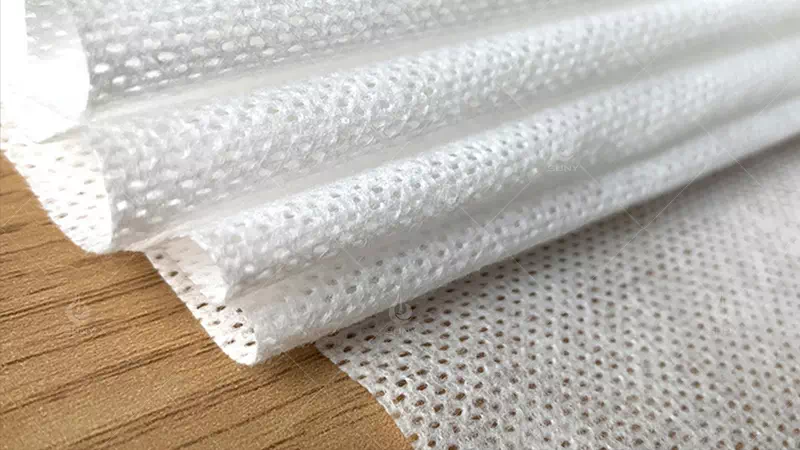
Spunlace nonwoven fabric

Secondly, the solution of the wipes plays a crucial role. This solution contains water, detergents (such as surfactants), moisturizers, preservatives, and sometimes added fragrances. Of particular note, some wipes contain alcohol, which possesses disinfectant properties.

Preservatives are essential to prevent wipes from harboring bacteria in a moist environment. Common preservatives include parabens, phenoxyethanol and benzalkonium chloride.

Emollients and humectants in wipes, on the other hand, help retain skin moisture and prevent dryness. Common additives include glycerin, aloe vera and various oils.

In addition, fragrances are a feature of many wipes, giving the product a pleasant scent. These fragrances can be synthetic or come from natural plant extracts.

Finally, depending on the specific use of the wipes, other ingredients such as vitamin E and aloe vera may be added to fulfill different needs. The clever combination and careful design of these raw materials makes wipes play an important role in daily cleaning.

By gaining a deeper understanding of the raw materials used in wipes, we can better appreciate these seemingly simple everyday products that contain technology and science behind them. Let’s cherish these small products and at the same time pay attention to the environmental and sustainable aspects of their production.

Categories
News

What raw materials are needed to make wet wipes?

The manufacture of wipes requires a variety of raw materials. These materials can be categorized into substrates (the base material of the wipes themselves), liquid solutions (which give the wipes their moisture and cleaning or sanitizing properties), and other components such as packaging. Below is a detailed breakdown of the raw materials required:

What raw materials are needed to make wet wipes

Raw material composition of wet wipes

Substrate (basic material)

The base material is the fabric used for wipes. It must be durable, soft, and absorbent. Common materials include:

Nonwoven: This is the most common substrate and can be made from the following materials

Polyester: Provides strength and durability.

Polypropylene: Often used due to its cost-effectiveness and strength.

Viscose/Rayon: Adds softness and absorbency.

Cotton: Provides excellent absorbency and softness, but is more expensive.

Blends: A combination of polyester, polypropylene, and viscose with balanced properties.

Liquid solutions

Liquid solutions give wipes their moisture and active properties. The composition depends on the intended use of the wipes (e.g. baby wipes, disinfectant wipes, cosmetic wipes). Common ingredients include

Water: The main ingredient, usually purified or deionized water.

Surfactants: Used for cleansing purposes; for example, sodium lauryl sulfate or Cocamidopropyl betaine.

Emollients: Used to moisturize the skin and prevent dryness; examples include glycerin or aloe vera.

Preservatives: Prevent microbial growth in solution; examples include phenoxyethanol, parabens, or benzoic acid.

Fragrance: Used to add a pleasant scent; can be synthetic or natural.

pH Adjusters: Ensure the solution is skin-friendly; examples include citric acid or sodium hydroxide.

Antimicrobial/Preservative: Used to sanitize wipes; e.g. alcohol (ethanol or isopropanol), benzalkonium chloride, or chlorhexidine.

Packaging material:

Plastic film: for individual sachets or flow packs.

Plastic jars: for bulk packaging.

Lids and dispensers: for easy resealing and dispensing of wipes.

Labels and Printing Inks: For branding and information.

Together, these ingredients make wipes effective, safe, and convenient for a variety of uses.

Categories
News

Do You Know What Wet Wipes Are Made Of?

Wet wipes have gained widespread popularity due to their convenience and versatility in various daily activities. However, many users may wonder about the composition of these handy wipes. In this article, we will explore the materials commonly used to manufacture wet wipes, shedding light on their composition and the purpose they serve.

Nonwoven Fabric:

The primary component of wet wipes is nonwoven fabric. Nonwoven fabrics are engineered materials made from fibers bonded together through various processes. These fabrics provide the structural integrity and absorbency needed for wet wipes. They are typically soft, durable, and resistant to tearing, ensuring a comfortable and efficient user experience.

Fiber Types:

Wet wipes can be made from different types of fibers, including natural, synthetic, or a blend of both. Common natural fibers used in wet wipes production include cotton and cellulose. Cotton fibers are known for their softness and absorbency, making them ideal for wipes designed for sensitive skin or personal care applications. Cellulose fibers, derived from plant sources, also provide excellent absorbency and strength.
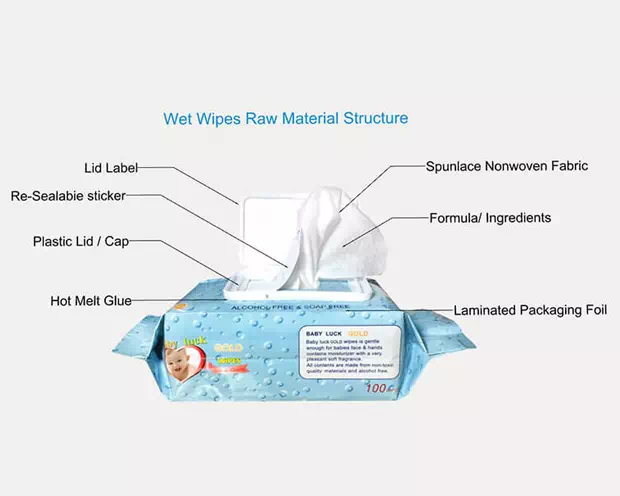
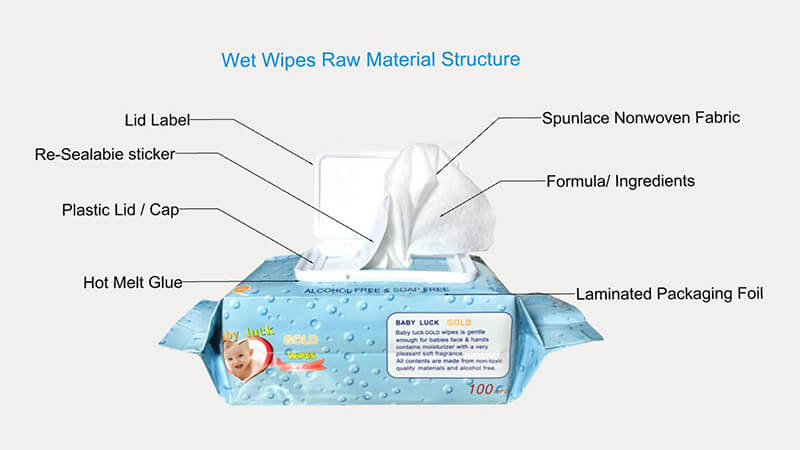
Wet Wipes Raw Material Structure

Synthetic fibers such as polyester or polypropylene are often chosen for their strength, durability, and resistance to moisture. These fibers offer enhanced performance in terms of wiping efficiency and can withstand vigorous use without tearing. The choice of fiber types depends on the intended use and desired characteristics of the wet wipes.

Moisture Solution:

The moisture solution used in wet wipes varies depending on their purpose. It typically consists of water combined with other ingredients such as preservatives, emollients, fragrances, and cleansing agents. These components are carefully formulated to ensure the wipes provide the desired cleansing, refreshing, or moisturizing effects.

Additives and Formulations:

Wet wipes may contain additional additives and formulations depending on their specific application. For instance, wet wipes designed for baby care often incorporate ingredients like aloe vera or chamomile extracts, known for their soothing properties. Antibacterial wet wipes may contain antimicrobial agents to help eliminate germs and bacteria. Moreover, specialized wipes, such as makeup remover wipes, may include specific ingredients to dissolve makeup efficiently.

Packaging Materials:

The packaging of wet wipes is typically made from plastic materials, such as polyethylene or polypropylene. These materials provide a protective barrier against external factors like moisture, dirt, and contaminants. The packaging may also include re-sealable features, such as plastic lids or tear-resistant stickers, to maintain the wipes’ freshness and prevent drying.

Wet wipes are composed of various materials that work together to provide their desired functionality. Nonwoven fabric forms the foundation, offering softness, durability, and absorbency. Different types of fibers, either natural or synthetic, contribute to the wipes’ strength and performance. The moisture solution, additives, and formulations are carefully crafted to fulfill specific purposes, such as cleansing, refreshing, or moisturizing. Finally, plastic packaging materials ensure the wipes remain protected and ready for use. Understanding the composition of wet wipes helps users appreciate their quality and suitability for different applications, making them a convenient and reliable choice for a wide range of needs.
Categories
News

Laminated packaging film used to wrap wet tissues

Laminated packaging film has become a popular choice for wrapping wet tissues, offering numerous advantages in terms of protection, durability, and convenience. This article explores the benefits of using laminated packaging film for wet tissue wrapping, highlighting its impact on product quality, shelf life, and user experience.

Moisture Barrier:

One of the primary advantages of laminated packaging film for wet tissues is its excellent moisture barrier properties. The film acts as a protective shield, preventing moisture from escaping the packaging and keeping the wet tissues adequately moist. By creating a barrier against external factors such as air and humidity, the laminated film helps maintain the desired wetness of the tissues, ensuring their effectiveness and usability.

Hygiene Maintenance:

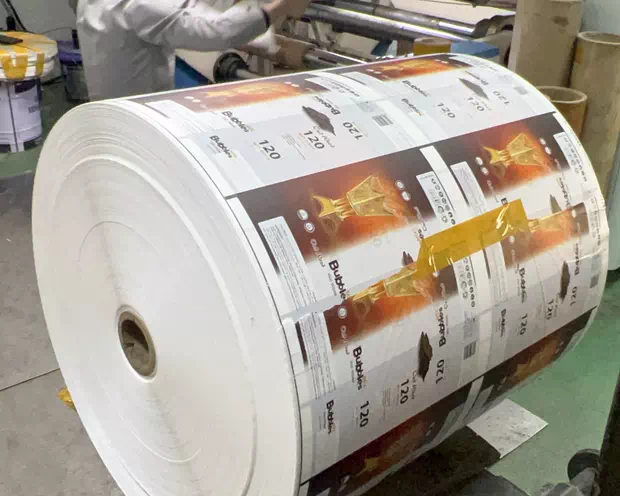
Packaging Foil Film

Laminated packaging film contributes to the overall hygiene maintenance of wet tissues. The film serves as a barrier that protects the wipes from external contaminants, such as dirt, dust, and bacteria. By preventing the entry of these pollutants, the film ensures that the wet tissues remain clean and safe for use. This feature is particularly crucial for personal hygiene applications, where maintaining a high level of cleanliness is essential.

Tear Resistance and Durability:

Laminated packaging film offers excellent tear resistance and durability, ensuring the integrity of the packaging. Wet tissues often encounter rough handling, transportation, and storage conditions. The laminated film’s strength and resilience protect the wet tissues from accidental tears or punctures, keeping them securely contained within the packaging. This durability feature enhances the overall quality of the product and prevents wastage due to damaged packaging.

Extended Shelf Life:

The use of laminated packaging film contributes to the extended shelf life of wet tissues. The film acts as a barrier against external factors that could degrade the quality of the wipes, such as exposure to light, moisture, or oxygen. By preserving the moisture content and preventing contamination, the laminated film helps maintain the wet tissues’ freshness and effectiveness over an extended period. This extended shelf life ensures that the product remains usable and retains its desired qualities until the time of consumption.

Convenience and Portability:

Laminated packaging film offers convenience and portability for wet tissues. The film is lightweight, flexible, and easy to handle, making it suitable for various packaging sizes and formats. Its flexibility allows for easy opening and resealing, enabling users to access wet tissues conveniently while keeping the remaining wipes protected. The laminated film’s portability makes wet tissues a practical and on-the-go solution for personal hygiene or cleaning needs.

Laminated packaging film brings numerous benefits to the wrapping of wet tissues, enhancing their quality, longevity, and user experience. From providing a moisture barrier and maintaining hygiene to offering tear resistance, durability, and extended shelf life, laminated film plays a crucial role in preserving the freshness and effectiveness of wet tissues. Additionally, the convenience and portability of the film contribute to the overall usability and practicality of wet tissues for consumers. By choosing wet tissues wrapped in laminated packaging film, users can enjoy the benefits of a reliable and high-quality product for their personal hygiene and cleaning needs.

Categories
News

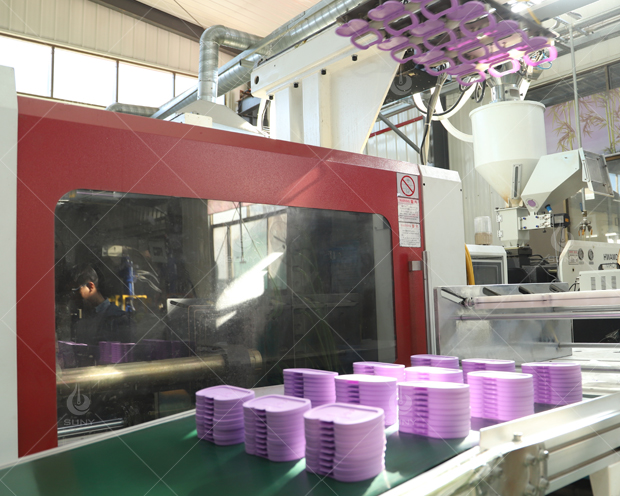
Plastic Lid: to protect wet tissue from water loss

Wet tissues, also known as wet wipes, have become a staple in our daily lives, offering convenience and cleanliness for various purposes. One crucial element that ensures the effectiveness and longevity of wet tissues is the presence of a plastic lid. These lids serve as a protective barrier, preventing water loss and preserving the moisture of the wipes. In this article, we will delve into the significance of plastic lids in safeguarding wet tissues from water loss and its impact on product quality and user experience.

Moisture Retention:

Moisture retention is vital for wet tissues to fulfill their intended purpose effectively. Whether used for personal hygiene or cleaning, the wetness of the wipes plays a crucial role in their functionality. Plastic lids act as a shield, creating an airtight seal that helps retain the moisture within the packaging. By preventing water evaporation, the lids ensure that the wet tissues remain adequately moist, ready for use whenever necessary.

Protection against Drying:

Wet tissues are often exposed to external factors such as air and heat, which can lead to drying and loss of moisture. The presence of a plastic lid offers an effective defense against drying by creating a barrier that minimizes the exposure of the wipes to these elements. The lid acts as a protective shield, safeguarding the wet tissues and preserving their moisture content for an extended period. This protection ensures that the wipes retain their desired level of wetness, enhancing their functionality and user experience.

Plastic Lid

Hygiene Maintenance:

Maintaining hygiene is a critical aspect of wet tissue usage. Plastic lids serve as a hygienic barrier, preventing the entry of contaminants, such as dust, dirt, or microorganisms, into the packaging. These lids create a secure and sealed environment, safeguarding the wet tissues from external pollutants that could compromise their cleanliness and safety. By keeping the wipes protected from potential contaminants, plastic lids contribute to the overall hygiene maintenance and user confidence in the product.

Convenience and Ease of Use:

Plastic lids add an element of convenience and ease of use to wet tissue packaging. They provide a simple and efficient way to access the wipes while also ensuring their protection. The lids can be easily opened and closed, allowing users to retrieve a wet tissue whenever needed and reseal the packaging securely. This user-friendly feature enhances the overall experience, making wet tissues more convenient to carry and use in various situations.

Extended Shelf Life:

The presence of a plastic lid significantly extends the shelf life of wet tissues. By preventing water loss and maintaining the wipes’ moisture content, the lids help preserve the quality and effectiveness of the product over time. The extended shelf life ensures that the wet tissues remain usable and functional throughout their intended period, reducing waste and providing value for the consumer.

Plastic lids play a vital role in protecting wet tissues from water loss, ensuring their effectiveness, and enhancing the overall user experience. By retaining moisture, safeguarding against drying, maintaining hygiene, offering convenience, and extending the product’s shelf life, plastic lids contribute significantly to the quality and functionality of wet tissues. Consumers can rely on the presence of a sturdy and reliable plastic lid to keep their wet tissues moist, ready for use, and preserved for an extended period.

Categories
News

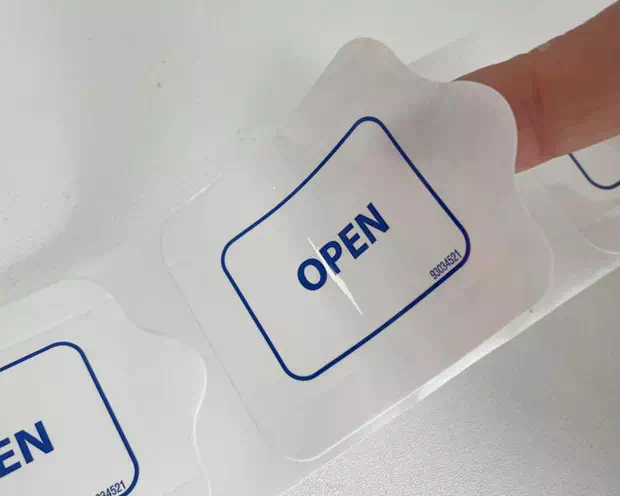
A good quality re-sealable sticker for wet wipes should be tear-resistant

Wet wipes have become an essential product for daily hygiene and convenience, serving a variety of purposes from personal care to cleaning surfaces. To ensure their effectiveness and longevity, it is crucial for wet wipe packaging to feature high-quality re-sealable stickers. Among the key qualities, tear-resistance stands out as a vital characteristic that ensures the integrity of the packaging and maintains the freshness of the wipes. This article will discuss the significance of tear-resistant re-sealable stickers for wet wipes and their impact on user experience and product quality.

Preserving Moisture and Freshness:

Wet wipes are primarily designed to provide a moist and refreshing experience. Whether used for personal hygiene or cleaning purposes, it is crucial that the wipes remain moist until their intended use. Tear-resistant re-sealable stickers play a pivotal role in preserving moisture by effectively sealing the packaging after each use. Their durability ensures that the wipes’ moisture is locked in, preventing evaporation and maintaining their freshness over an extended period.

Enhanced Durability and Longevity:

re-sealable sticker

Wet wipes are often subjected to varying conditions, including frequent handling, storage in bags or pockets, and exposure to moisture. In such scenarios, tear-resistant re-sealable stickers prove their worth by offering enhanced durability and longevity. These stickers are designed to withstand the rigors of daily use, preventing accidental tearing or detachment that could compromise the integrity of the packaging. As a result, the wet wipes remain intact and functional, providing a reliable and convenient solution whenever needed.

User-Friendly Experience:

The tear-resistance of re-sealable stickers significantly contributes to a user-friendly experience with wet wipes. Users can easily open and close the packaging without worrying about the sticker tearing or losing its adhesive properties. This convenience ensures hassle-free access to the wipes, allowing for quick and efficient use while maintaining the overall cleanliness and hygiene of the product.

Preventing Contamination and Leakage:

Wet wipes are often used in situations where cleanliness and hygiene are of utmost importance. Tear-resistant re-sealable stickers play a vital role in preventing contamination and leakage. These high-quality stickers create a reliable seal that acts as a barrier against external contaminants, such as dirt, dust, or bacteria, ensuring the wipes remain hygienic until use. Additionally, the tear-resistant nature of the sticker prevents any leakage, preserving the integrity of the packaging and avoiding potential messes.

Consumer Confidence and Product Reputation:

The presence of tear-resistant re-sealable stickers on wet wipe packaging reflects the manufacturer’s commitment to quality and customer satisfaction. When consumers encounter a robust and reliable sticker, it instills confidence in the product. Positive experiences with tear-resistant stickers contribute to the overall reputation of the brand, leading to increased customer loyalty and trust. On the other hand, inferior stickers that tear easily can create frustration and dissatisfaction among users, potentially harming the product’s image and market position.

Tear-resistant re-sealable stickers are a crucial component of wet wipe packaging, offering numerous benefits to both manufacturers and consumers. Their ability to preserve moisture, enhance durability, provide a user-friendly experience, prevent contamination and leakage, and contribute to consumer confidence makes them an essential quality feature. By selecting wet wipes with tear-resistant stickers, consumers can ensure the longevity and effectiveness of their chosen product while enjoying the convenience and hygiene they offer.

Categories
Case

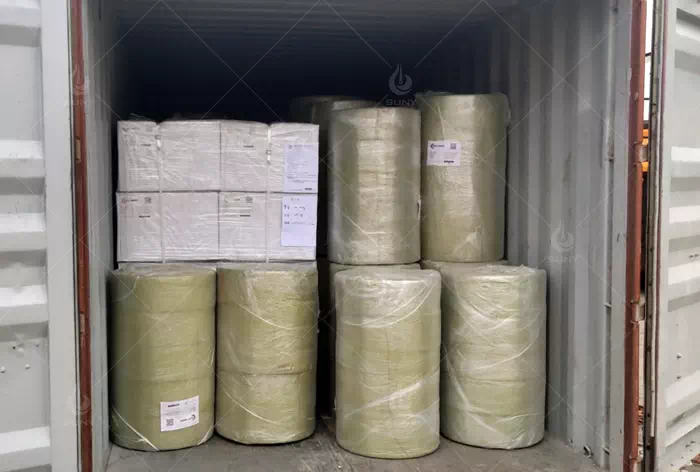
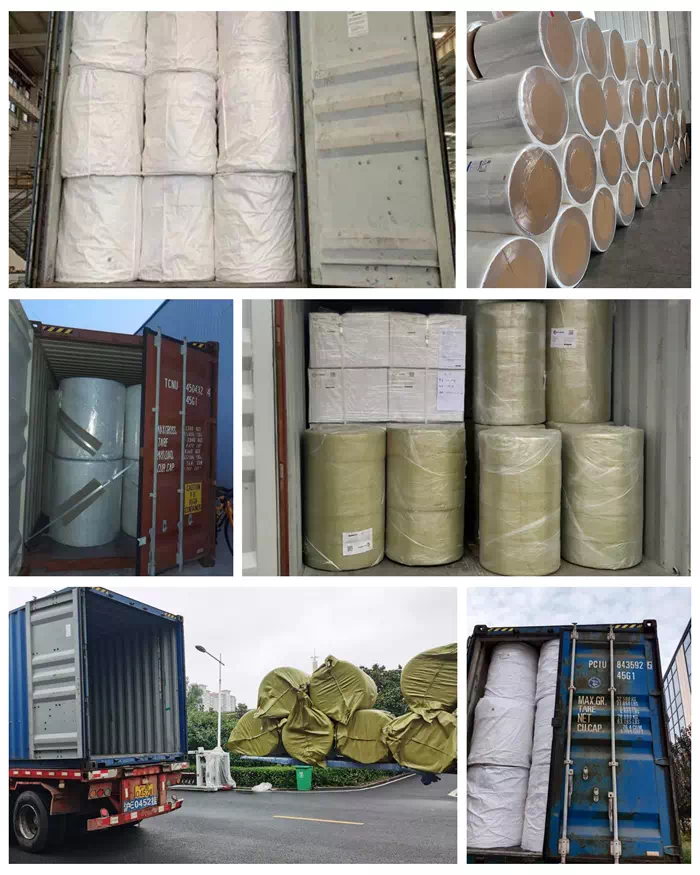
Shipping of Spunlaced Nonwoven Fabric to Australian customers

The shipment of hydroentangled nonwoven fabric to Australian customers for the production of wet wipes is a crucial process that involves several key steps to ensure efficient delivery and customer satisfaction. Hydroentangled nonwoven fabric, also known as spunlace nonwoven fabric, is a popular choice for wet wipes production due to its soft texture, high absorbency, and strength.

Spunlace nonwoven fabric delivery

Shipping of Spunlace nonwoven fabric to Australian customers

The process typically begins with receiving orders from Australian customers for hydroentangled nonwoven fabric. This fabric is manufactured using a hydroentangling process that entwines fibers using high-pressure water jets, resulting in a fabric with excellent strength and softness ideal for wet wipes.