Categories
News

Raw Materials and Equipment for Wet Wipes Production

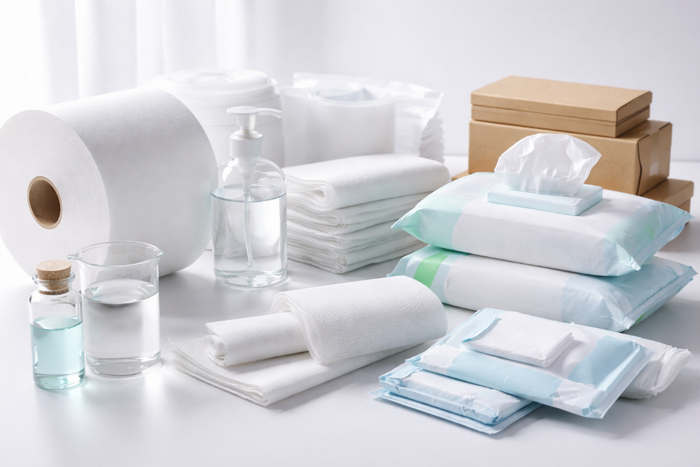
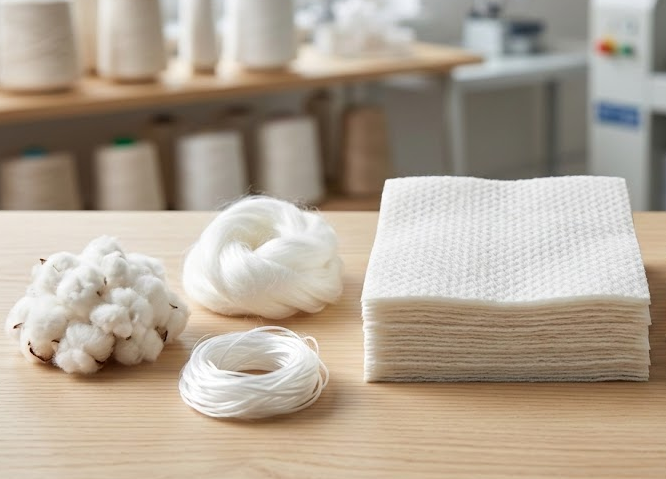
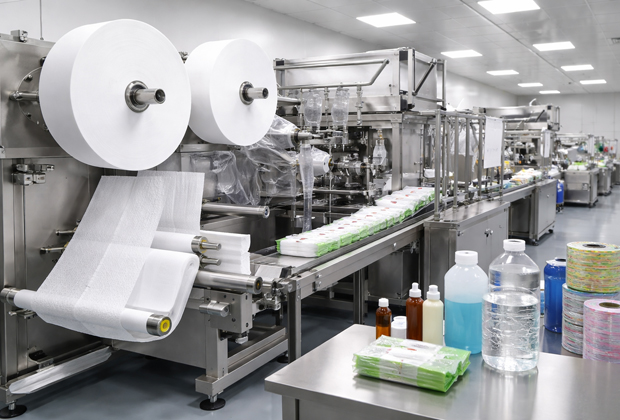
In the wet wipes manufacturing industry, while many focus on product formulations and market trends, they often overlook a more fundamental issue: how equipment is matched to raw materials—a critical factor that ultimately determines both final product quality and production efficiency. Fundamentally, a wet wipes machine functions as a “material handling system”; consequently, different raw materials impose vastly different requirements on the equipment’s structural design and operational stability.

Non-woven Fabrics and Equipment Compatibility

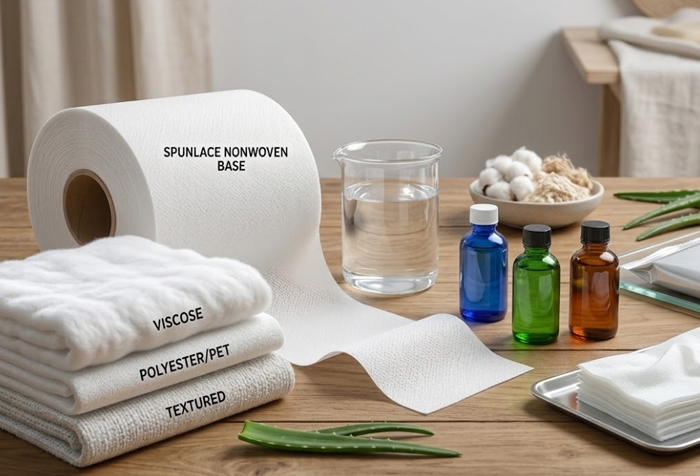
Non-woven fabric constitutes the core raw material in wet wipes production; its basis weight, softness, and tensile strength directly influence the user experience of the finished product. Common materials include spunlace non-wovens and thermal-bonded non-wovens; among these, spunlace fabric is widely utilized in baby wipes due to its exceptional softness and skin-friendly properties.
Raw Materials and Equipment for Wet Wipes Production

Liquid Formulations and Dosing Systems

The “soul” of a wet wipe lies in its liquid formulation, which typically consists of purified water, moisturizing agents, and antimicrobial ingredients. Wet wipes designed for different applications have varying requirements regarding liquid viscosity and permeability, thereby imposing rigorous standards on the equipment’s liquid dosing system.

Packaging Materials and Integrated Line Coordination

In terms of equipment configuration, the packaging system must be highly synchronized with the production pace of the upstream manufacturing stages—specifically the automated pouch-forming, sealing, and lid-application processes. This is particularly critical in the production of wet wipes featuring hard lids, which demands extremely high precision in lid placement; consequently, such lines typically require the integration of automated lid-applicators—or even robotic systems—to ensure that every lid is positioned accurately and securely sealed. Concurrently, the sealing system must maintain precise and stable temperature control; failure to do so can lead to issues such as weak edge seals or material deformation.

While wet wipes production may appear deceptively simple, the true key to achieving stable, reliable operation lies in the equipment’s “adaptability” to the specific raw materials being processed. Only when the non-woven fabric, liquid formulation, and packaging materials are perfectly matched with the machinery can the production line consistently deliver high-quality products.
Categories
News

Laminated Foil Film for Wet Wipes Packaging Machine

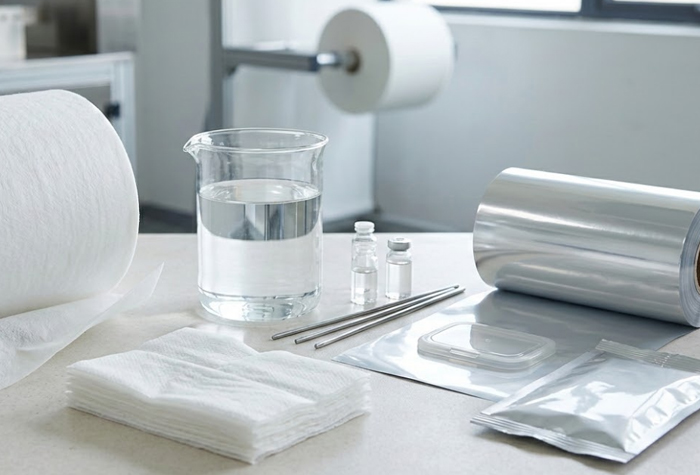
In the wet wipes manufacturing process, alongside non-woven fabrics and liquid formulations, packaging materials play an equally decisive role in determining product quality and preservation effectiveness. Among these materials, Laminated Packaging Foil Film—a composite aluminum foil film—serves as a core packaging raw material, directly influencing the wet wipes’ airtightness, moisture resistance, and overall aesthetic appeal. To fully harness the performance capabilities of this material, reliance on specialized wet wipes packaging equipment for precise processing is essential.

Structure and Performance Characteristics of Laminated Foil Film

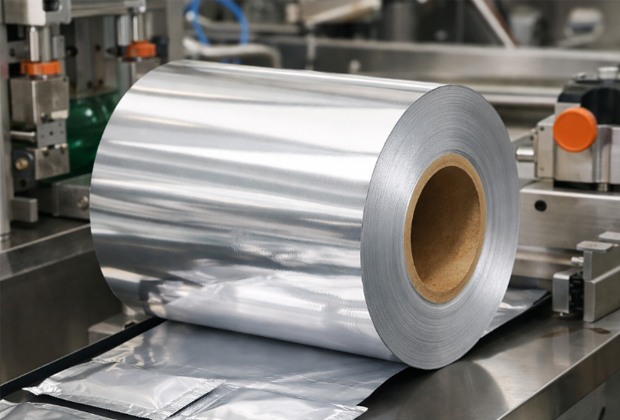
Laminated Packaging Foil Film typically consists of a composite structure comprising multiple layers, including an aluminum foil layer, a plastic film layer, and a heat-seal layer. The aluminum foil layer possesses exceptional barrier properties, effectively preventing moisture evaporation and blocking the ingress of external air, thereby ensuring the wet wipes remain moist over extended periods.

Laminated Foil Film for Wet Wipes Packaging Machine

Concurrently, the outer plastic film layer offers excellent printability and mechanical strength, rendering the packaging both visually appealing and resistant to damage. Thanks to its multi-layer composite structure, this material strikes a balance between airtightness, flexibility, and durability, making it ideally suited to meet the specific packaging requirements of wet wipes products.

Application Workflow within Packaging Equipment

On a wet wipes production line, laminated foil film is typically loaded onto automated packaging equipment in the form of large rolls. A dedicated unwinding system within the equipment ensures the stable conveyance of the film material to the forming zone, while integrated guiding mechanisms maintain uniform tension to prevent material misalignment or wrinkling.

Subsequently, the packaging film undergoes a series of internal processing stages within the machine, including forming, edge sealing, and cutting. A precision-controlled heat-sealing system rapidly creates a robust seal, guaranteeing that every individual pack of wet wipes possesses superior airtightness. Furthermore, the high-speed operational capabilities of the packaging machinery enable it to efficiently accommodate the demands of large-scale, continuous production.

Automated Equipment Enhances Packaging Quality

Modern wet wipes packaging equipment has achieved a high degree of automation; from the feeding of the film material to the output of finished products, minimal human intervention is required. Through sophisticated precision control systems, the equipment ensures that every product package features uniform dimensions and a secure seal, thereby significantly enhancing product consistency.

For manufacturing enterprises, selecting the appropriate laminated foil film in conjunction with reliable packaging equipment not only boosts production efficiency but also substantially elevates product quality and market competitiveness. Overall, the synergistic combination of Laminated Packaging Foil Film and automated packaging equipment serves as a fundamental cornerstone for achieving high-quality wet wipes production.

Categories
News

Raw Materials for Wet Wipe Manufacturing: Resealable Stickers

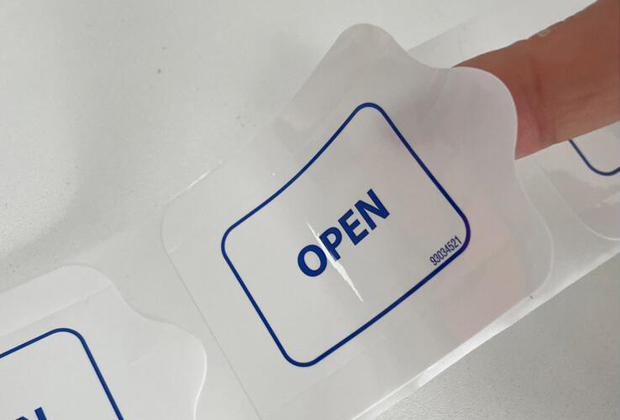
In the production process of wet wipes, packaging materials play a role just as crucial as that of core components like non-woven fabrics and wetting solutions. Among these packaging materials, the “Resealable Sticker” is a common structural element, primarily applied to the opening of wet wipe pouches. This sticker structure—designed to be repeatedly opened and sealed—effectively preserves the moisture content within the wipes while simultaneously enhancing the product’s user-friendliness.

On modern wet wipe production lines, the application of these sealing stickers is typically executed by specialized automatic labeling equipment, ensuring precise placement and stable production efficiency.

Structure and Materials of Resealable Stickers

Raw Materials for Wet Wipe Manufacturing: Resealable Stickers

Resealable stickers are typically manufactured from composite film materials, generally featuring a multi-layered structure that includes components such as a PET film substrate, an adhesive layer, and a protective release liner. This material combination offers excellent flexibility and adhesive properties, allowing it to maintain an effective seal even after being opened and closed numerous times.

High-quality sealing stickers not only prevent the evaporation of moisture from the wet wipes but also help maintain the clean and aesthetically pleasing appearance of the packaging pouch. Furthermore, because this material is easily integrated—via heat sealing or adhesive bonding—with the packaging pouch during production, it is widely utilized across a diverse range of wet wipe product specifications.

The Role of Automatic Labeling Equipment in the Production Line

Within wet wipe manufacturing facilities, the application of resealable stickers is typically performed by automatic labeling machines. Once the wet wipe pouches have completed processes such as folding, liquid saturation, and pouch filling, they are transported via a conveyor system into the labeling zone.

The automatic labeling equipment is capable of precisely applying the sealing sticker to the pouch’s opening at a predetermined position. Equipped with high-precision sensor systems, the machinery ensures consistent label placement on every pouch, thereby guaranteeing a neat and uniform product appearance. Concurrently, the high-speed labeling mechanism is capable of meeting the demands of large-scale wet wipe production, significantly boosting overall manufacturing efficiency.

Although the resealable sticker may appear to be a minor component within the overall wet wipe packaging, it plays a pivotal role in preserving product moisture and enhancing the user experience. Through the seamless integration of automated labeling equipment with the wet wipe production line, manufacturers can achieve highly efficient and high-quality wet wipe packaging production.

Categories
News

Hot Melt Adhesive for Wet Wipe Packaging Machines

In the automated production lines for wet wipes, the secure bonding between the plastic lid and the packaging film is critical to ensuring both product seal integrity and sensory quality. Behind this process, the core raw material acting as the “invisible bond” is hot melt adhesive.

Hot melt adhesive is a thermoplastic resin mixture that exists as a solid at room temperature; it melts into a liquid state upon heating and rapidly cools and solidifies after application. Unlike traditional solvent-based glues, hot melt adhesives contain no water or solvents, boasting a 100% solid content—a characteristic that grants them inherent advantages in terms of environmental friendliness and processing efficiency.

In the field of wet wipe packaging, hot melt adhesives are primarily used to bond the plastic flip-top lid to the packaging film. Given that wet wipe production lines typically operate at high speeds, the strong instant tack and rapid curing rate of hot melt adhesives ensure that the bonded lid can immediately proceed to the next processing stage, thereby significantly boosting production efficiency.

Hot Melt Adhesive for Wet Wipe Packaging Machines

Regarding core characteristics and technical requirements, hot melt adhesives must possess the following essential qualities:

Exceptional Bonding Stability:Wet wipe packaging films are typically made of PP or PE materials, which exhibit low surface energy. The hot melt adhesive must demonstrate excellent wetting properties to ensure the formation of robust chemical or physical bonds across various film substrates.

Temperature and Chemical Resistance:Wet wipe solutions often contain alcohol or fragrance components; consequently, the adhesive must possess a certain degree of resistance to chemical erosion and remain free from delamination or oil seepage under varying storage and transport temperatures (such as during hot summer months).

Eco-friendly and Low-Odor:As a packaging material that comes into contact with skin—and even products intended for infants—the adhesive must pass rigorous VOC testing to ensure low odor, non-toxicity, and no adverse impact on the scent or quality of the wet wipes themselves.

Anti-Stringing Performance:During the automated adhesive application process, the hot melt adhesive must cut off cleanly without producing a “stringing” or “tailing” effect, thereby ensuring a neat and tidy appearance for the final packaging.

Hot melt adhesive serves not only as a vital raw material for wet wipe packaging machinery but also as a key element in enhancing the added value of the product. As the market’s focus shifts toward sustainable development, the research and development of hot melt adhesives featuring lower application temperatures and greater biodegradability has emerged as a new trend within the industry. Through the bond within its small confines, it safeguards the moisture and hygiene of every single wet wipe.

Categories
News

Wet Wipes Raw Material Plastic Lid

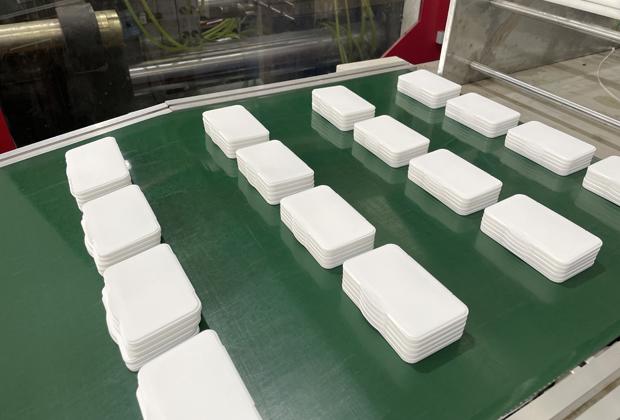
In the production and packaging of wet wipes, besides the main materials such as non-woven fabric and the wet wipe liquid, the packaging structure is equally important. Among these, the wet wipe cap is a crucial component that cannot be ignored. It not only affects the product’s appearance and user experience but also relates to the wet wipes’ sealing and moisturizing effects, thus it is widely used in various flip-top wet wipe packaging.

Material Characteristics of Wet Wipe Caps

Wet wipe caps are typically made of plastic materials such as PP (polypropylene) or PE (polyethylene). These materials are characterized by high strength, light weight, and corrosion resistance, while also possessing good flexibility and durability. Through injection molding, a stable and smoothly opening and closing wet wipe cap can be formed.

High-quality wet wipe cap designs typically include sealing edges and a reusable opening and closing structure, ensuring a good seal even after multiple uses, thus preventing moisture evaporation and maintaining the product’s moisture level.

The Role of Wet Wipe Caps in Packaging

On wet wipe production lines, caps are typically installed on wet wipe packaging bags using automatic capping equipment. Automatic capping machines accurately attach plastic caps to designated positions on packaging bags, improving production efficiency and ensuring a neat and uniform product appearance.

The flip-top design makes using wet wipes more convenient for consumers; simply open the cap to remove the wipe, and close it again to maintain a seal. Compared to ordinary sticker-sealed packaging, wet wipes with caps are more attractive in the market and better suited for reusable family-sized wipes.

Overall, while wet wipe caps are just a small component of packaging, they play a crucial role in product quality and user experience. As the wet wipe market evolves, more aesthetically pleasing and better-sealing wet wipe caps are constantly emerging, providing more comprehensive packaging solutions for wet wipe products.

Categories
News

Spunlace Nonwoven Fabric: A Raw Material for Wet Wipes

In the production of wet wipes, the choice of raw materials directly determines the product’s quality and user experience. Spunlace nonwoven fabric is one of the most common and important wet wipe base materials. Due to its softness, high absorbency, and high strength, spunlace nonwoven fabric is widely used in baby wipes, cleaning wipes, and personal care wipes.

Structural Characteristics of Spunlace Nonwoven Fabric

Spunlace nonwoven fabric is a nonwoven material formed by intertwining fibers using high-pressure water jets. This production process eliminates the need for traditional spinning and weaving processes in textiles, instead using high-speed water jets to weave fibers together, creating a fabric-like structure with a certain strength and softness.

This material is typically made from viscose fiber, polyester fiber, or a blend of both. Viscose fiber, derived from natural plant fibers, has excellent skin-friendliness and a soft touch; while polyester fiber enhances the material’s durability and strength. By combining different fiber ratios, wet wipe materials suitable for various applications can be produced.

Application of Spunlace Nonwoven Fabric in Wet Wipes

Spunlace nonwoven fabric is ideal for wet wipes due to its excellent absorbency and breathability. It quickly absorbs and retains liquid while remaining soft, comfortable, and durable during use.

On a wet wipe production line, large rolls of spunlace nonwoven fabric are fed into the equipment and processed through automatic folding, cutting, and liquid addition to become finished wet wipes. The stable material structure ensures the wipes maintain their neat shape during folding and packaging, thus improving product quality.

Categories
News

Raw Materials for Wet Wipes?

A small wet wipe typically consists of three parts: the base material, the liquid component, and the packaging material. These materials collectively determine the quality and user experience of the wet wipe.

Non-woven Fabric is the Core Material of Wet Wipes

The most important raw material for wet wipes is non-woven fabric, which is essentially the “body” of the wipe. Most wet wipes on the market currently use spunlace non-woven fabric. This material uses high-pressure water jets to interweave fibers into a fabric-like structure, eliminating the need for traditional textile processes. Therefore, it is soft, tear-resistant, and highly absorbent.

The Liquid Formula in Wet Wipes

In addition to the non-woven fabric, wet wipes also require a certain proportion of liquid solution. Water is the most important component, generally purified or deionized water, used to maintain moisture and cleaning functions. Different functional ingredients are added depending on the product’s intended use.

Packaging Materials Ensure the Quality of Wet Wipes

To maintain the moisture and hygiene of wet wipes, the packaging material is equally important. Common wet wipe packaging often uses composite plastic film or aluminum-plastic composite materials. These materials have excellent sealing and moisture-proof properties, effectively preventing moisture evaporation.

Overall, while wet wipes may seem simple, their raw materials and production structure are carefully designed. From the non-woven fabric substrate to the liquid formulation and sealed packaging, every step directly affects the product’s quality and user experience. With advancements in production technology, the materials used in wet wipes are constantly being upgraded, making them more environmentally friendly, safer, and better suited to everyday needs in the future.

Categories
News

What are wet wipes made of?

Wet wipes, as a convenient and hygienic cleaning product, are widely used in daily life, medical care, and personal hygiene. From baby care to food cleaning, from home disinfection to travel, wet wipes are almost ubiquitous. Many people use wet wipes daily, but few know what materials they are made of. In fact, a seemingly simple wet wipe typically consists of two main parts: a base material and a liquid formula.

The main base material of wet wipes – non-woven fabric

The core material of wet wipes is non-woven fabric, which is the “body” of the wipe. Currently, the most common type on the market is spunlace non-woven fabric. This material uses high-pressure water jets to interweave fibers to form a fabric-like structure, eliminating the need for traditional textile processes. Therefore, it is soft, highly absorbent, and strong.

Spunlace non-woven fabric is usually made from viscose fiber, polyester fiber, or a blend of both. Viscose fiber comes from natural plant fibers, has a soft touch, and is skin-friendly, often used in baby wipes or nursing wipes; while polyester fiber has better strength and durability, and is mostly used in cleaning wipes or industrial wipes. Different types of wipes have their fiber ratios adjusted according to needs to achieve the desired effect.

Liquid Formula Ingredients in Wipes

In addition to the non-woven fabric base, wipes also contain a certain proportion of liquid ingredients. Water is the main component of the liquid in wipes, generally making up the largest proportion, and is used to maintain moisture and clean. In addition, small amounts of functional ingredients, such as moisturizers, antibacterial agents, or plant extracts, are added.

For example, baby wipes usually contain mild moisturizing ingredients, such as glycerin or aloe vera extract, to reduce skin irritation; while cleaning wipes or disinfecting wipes may contain appropriate amounts of alcohol or antibacterial ingredients to enhance cleaning and disinfection effects. The combination of different formulas allows wipes to meet diverse usage needs.

Packaging Materials and Overall Structure

To ensure the hygiene and moisture retention of wipes during storage and use, they also require sealed packaging materials. Common packaging materials include composite plastic films, aluminum-plastic composite bags, or lidded plastic packaging. These materials have good sealing and moisture-proof properties, effectively preventing moisture evaporation and extending the shelf life of the wipes.

Categories
News

Key Materials Used in Wet Wipes Manufacturing Machines

The stable operation of wet wipe production equipment relies on a well-matched raw material system. Different types of wet wipes have specific requirements for the substrate, liquid formulation, and packaging materials. Only when the raw materials and equipment structure are highly compatible can production efficiency be improved while ensuring quality.

Non-woven Fabric Substrate Selection

The core raw material for wet wipes is non-woven fabric, common types including spunlace non-woven fabric, hot-air non-woven fabric, and spunbond non-woven fabric. Among them, spunlace non-woven fabric is widely used in baby wipes and personal care wipes due to its soft feel, strong liquid absorption, and high strength. The basis weight, width, and fiber ratio of the substrate need to be adjusted according to the intended use of the wet wipes. High-quality non-woven fabric maintains stable tension during unwinding and folding processes, is less prone to pilling and breakage, and helps improve the overall line efficiency.

Wet Wipe Liquid Formulation

Wet wipe liquid is usually based on purified water, with moisturizers, cleaning agents, or antibacterial ingredients added depending on the product positioning. The formulations of catering wipes, alcohol disinfectant wipes, and nursing wipes differ significantly. During production, the liquid must be kept uniform through a filtration and stirring system before being precisely sprayed onto the non-woven fabric by an automatic liquid dispensing device. The quality of the liquid directly affects the moisturizing effect and user experience of the wipes, and also relates to product safety standards.

Packaging and Auxiliary Materials

Besides the fabric and liquid, packaging film is also a key material. Single wipes often use composite films for four-side sealing, while larger packages use multi-layer composite bags with plastic flaps. Packaging materials must have good sealing and moisture-proof properties to prevent moisture evaporation. At the same time, auxiliary materials such as labels and cartons must also be compatible with the automatic packaging equipment to ensure secure sealing and a neat appearance.

Wet wipe production is not only about equipment operation, but also the result of the coordinated operation of the material system. The rational selection of raw materials is an important foundation for ensuring product quality and enhancing market competitiveness.

Categories
News

Materials of Wet Wipes

Wet wipes are primarily made of non-woven fabric, with spunlace non-woven fabric being the most common component. This is a blend of viscose fiber (rayon) and polyester fiber (polyester). Common materials include: 100% cotton, viscose fiber, and polyester blends. High-quality wet wipes typically use a high proportion of viscose or cotton, resulting in a softer feel and better absorbency. Low-cost wet wipes are usually primarily polyester, which can cause environmental pollution and has a slightly stiffer feel.

Specific Material Classifications:

Regular Wet Wipes (Viscose + Polyester): Most wet wipes use this material, combining the absorbency of viscose with the strength of polyester.

Premium/Baby Wipes (Pure Cotton/100% Viscose): Soft to the touch, gentle on the skin, non-irritating, and suitable for delicate skin.

Biodegradable/Flushable Wet Wipes (Wood Pulp/Fiber): Made with virgin wood pulp, lyocell fiber, etc., water-soluble, and more environmentally friendly.

Wet Strength Paper: Commonly used for lens cleaning wipes, tough, durable, and lint-free.

Selection Recommendations:

To ensure skin safety, it is recommended to choose products labeled as using “spunlace nonwoven fabric” or natural plant fibers (such as cotton or viscose), and avoid products containing alcohol, fragrances, or excessive preservatives.