

Guide to Selecting Wet Wipe Machines and Materials
Wet wipe production requires not only suitable manufacturing equipment but also the selection of appropriate raw materials based on the product’s intended use. Whether for baby wipes, general cleaning wipes, disinfecting wipes, or wipes for hospitality and personal care, the type, performance, and specifications of raw materials directly impact the final product’s quality, production efficiency, and costs.
For enterprises planning to invest in a wet wipe production line, understanding common raw materials helps in making informed decisions regarding machine configuration and establishing a stable production process.
I. Key Raw Materials for Wet Wipe Production
1. Non-woven Fabric
Non-woven fabric is the primary substrate for wet wipes. It is typically supplied in rolls and processed through stages such as unwinding, folding, cutting, and liquid application.
Common types of non-woven fabrics include:
Spunlace non-woven fabric: Soft to the touch with good absorbency; commonly used for baby wipes, personal care wipes, and cleaning wipes.
Hot-air through-bonded (TAB) non-woven fabric: Characterized by its loftiness and softness; suitable for wipe products requiring a premium tactile feel.
Flushable non-woven materials: Selected based on product design and applicable standards; commonly used for flushable wipes.
Wood pulp composite materials: Suitable for cleaning wipes where liquid absorption performance or cost control is a priority.
Materials vary in thickness, basis weight, width, softness, and tensile strength. Selection during procurement should align with the specific wipe specifications and the equipment’s capabilities regarding unwinding, folding, and cutting.
2. Wet Wipe Liquid Formulation
The liquid component significantly influences the user experience. Depending on the intended use, the formulation may include purified water, moisturizing agents, cleaning agents, and appropriate preservative systems.
Formulation requirements differ for baby wipes, personal care wipes, and industrial cleaning wipes. Manufacturers should determine specific ingredients based on target market regulations, product application, and formulation design.
When selecting equipment, factors such as the liquid application method, application uniformity, material compatibility within the liquid supply system, and the ease of equipment cleaning and maintenance must also be considered.
3. Packaging Materials
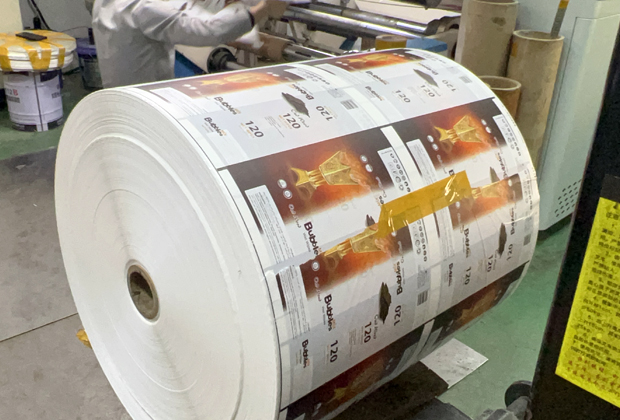
Wet wipe packaging typically utilizes composite films that offer appropriate moisture-barrier and sealing properties. For products designed for repeated opening, components such as plastic lids, labels, or other sealing mechanisms may also be employed.
Packaging materials must be compatible with the specific wet wipe specifications, packaging format, and production equipment. For instance, single-sachet wipes, portable packs, and multi-pack pop-up dispensers differ in terms of package dimensions, sealing methods, and production workflows.
Therefore, before selecting packaging materials, it is advisable to clearly define the number of wipes per pack, package dimensions, opening mechanism, and target production capacity.